
Ever wonder how the little guys can go head-to-head with corporate giants when budgets are tight and staff is lean? The answer might surprise you: artificial intelligence is no longer just for Fortune 500 companies.
Small businesses across the country are discovering that AI tools have become affordable, accessible, and surprisingly easy to use. What once required a team of developers and a six-figure budget now fits on a monthly subscription smaller than most phone bills. For local shops, service providers, and community-focused businesses, this shift represents one of the biggest opportunities in a generation.
How Small Businesses Compete Using AI Without Breaking the Bank
The playing field has changed dramatically in just the past few years. AI-powered tools that were science fiction a decade ago are now available as simple apps and browser extensions. Small business owners are using these technologies to automate repetitive tasks, understand their customers better, and create professional marketing materials that rival what big agencies produce.
The secret is that modern AI tools are designed for non-technical users. You do not need to know how to code or understand machine learning. Most platforms work through simple conversations or point-and-click interfaces. A bakery owner can generate social media posts, a plumber can draft email campaigns, and a yoga studio can analyze which class times are most popular—all without hiring specialists.
Leveling the Customer Service Playing Field
One area where small businesses compete using AI most effectively is customer service. Chatbots and automated response systems used to feel robotic and frustrating, but today’s AI can handle common questions naturally while flagging complex issues for human follow-up.
For a local business, this means customers get answers at midnight when you are closed, or during lunch rush when phones go unanswered. The AI handles appointment scheduling, answers frequently asked questions about hours and services, and collects initial information so your team can focus on the work that truly requires a human touch.
Big brands have call centers; small businesses now have intelligent assistants that cost a fraction as much and never call in sick.
Marketing That Punches Above Your Weight Class
Marketing has always been where big budgets showed their advantage, but AI is rewriting those rules. Tools now exist that help small business owners:
- Write compelling website copy and blog posts in minutes instead of hours
- Generate email campaigns that adapt to what each subscriber actually cares about
- Create professional graphics and video content without design experience
- Optimize advertising spend by predicting which audiences will respond best
- Analyze competitor strategies and identify gaps in the local market
The result is marketing that looks and performs like it came from a big agency, created by a team of one or two people working between customer appointments. According to the U.S. Small Business Administration, effective marketing is crucial for growth, and AI makes sophisticated strategies accessible to everyone.
Data Insights That Used to Require Analysts

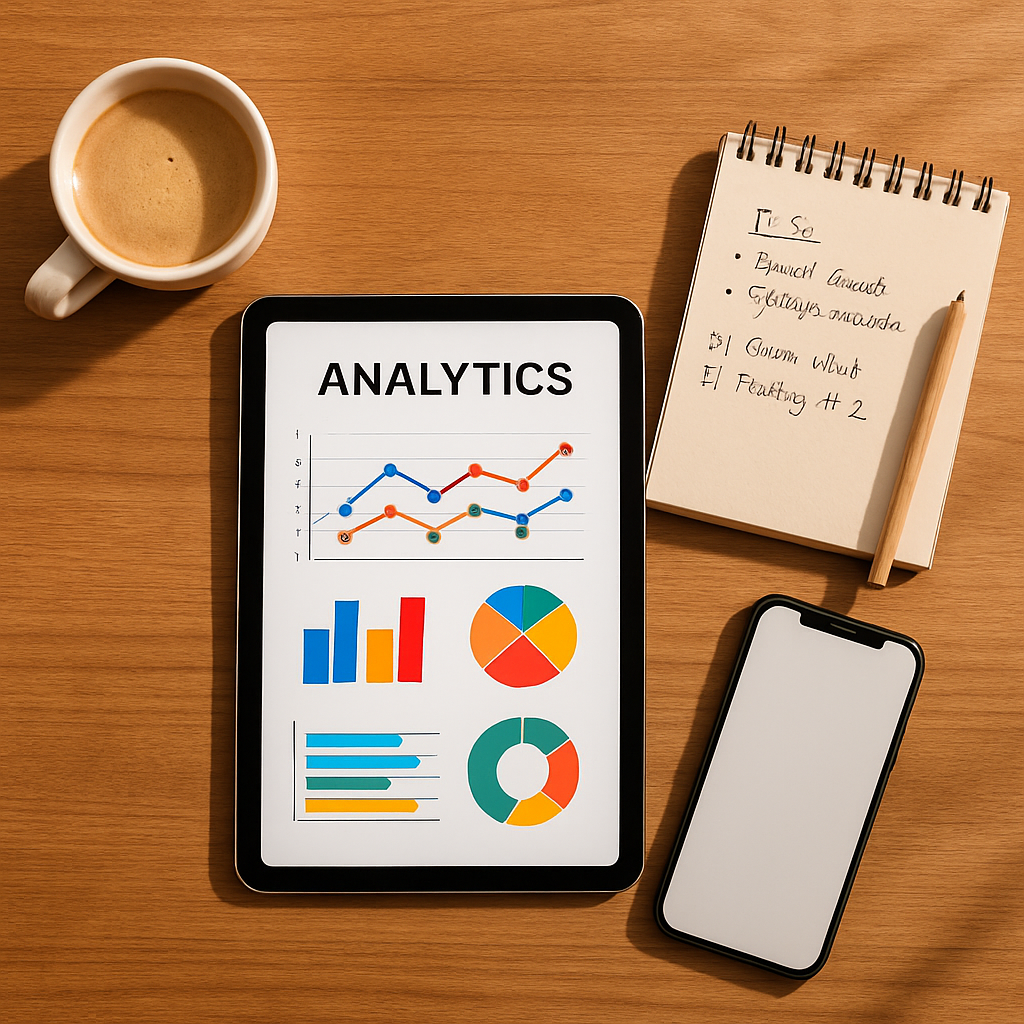
Big corporations have always had an advantage in data: they could hire analysts to spot trends, predict inventory needs, and understand customer behavior. Small businesses compete using AI by accessing similar insights through user-friendly dashboards.
Modern AI tools can tell you which products are trending up before you run out of stock, which service offerings generate the most profit, which days and times bring the most foot traffic, and which marketing messages actually lead to sales. This information helps you make smarter decisions about where to invest your limited time and money.
You are not guessing anymore—you are making informed choices backed by the same kind of intelligence that enterprise companies use, just packaged for businesses that do not have IT departments.
Staying Human While Using Smart Tools
Here is the thing many small business owners worry about: will AI make my business feel less personal? The answer is no, if you use it thoughtfully. The goal is not to replace the human connection that makes local businesses special; it is to free up more time for those meaningful interactions.
When AI handles appointment reminders, you have more energy for the actual appointment. When AI drafts your social media calendar, you can spend time responding to comments and building relationships. The Federal Trade Commission reminds businesses to be transparent about automated systems, which actually builds trust with customers who appreciate the efficiency.
The best small businesses use AI as a behind-the-scenes assistant, not a front-facing replacement for genuine service. Your personality, your expertise, and your commitment to the community remain the real competitive advantage. AI just helps you scale those strengths.
Getting Started Does Not Mean Starting Over
You do not need to overhaul your entire operation overnight. Most small businesses start with one pain point: maybe it is scheduling, maybe it is social media, maybe it is keeping track of customer preferences. Pick one area where you are stretched thin and explore AI tools designed for that specific challenge.
Many platforms offer free trials or low-cost starter plans. Test a few options, see what actually saves you time, and expand from there. The learning curve is gentler than you might expect, and the time investment pays back quickly when you are no longer buried in administrative work.
Whether you are looking to streamline operations, reach more customers, or simply get a few hours back in your week, AI tools are more accessible than ever. The question is not whether small businesses can compete with big brands using AI—it is how quickly you will start.
Want to learn more about how local businesses are using technology to grow smarter? Stop by and let’s talk about what might work for your specific situation. We love helping our neighbors find practical solutions that actually fit real life.