
Did you know that nearly 60% of small business owners struggle to measure whether their marketing technology is actually paying off? If you’ve invested in AI tools to help promote your business, you’re probably wondering the same thing: is this working, and how do I know?
Understanding how to track AI marketing ROI methods doesn’t require a degree in data science or a massive budget. For small local businesses, measuring the return on artificial intelligence marketing investments comes down to a few practical strategies that anyone can implement. Let’s explore how you can tell if your AI marketing tools are earning their keep.
Why Track AI Marketing ROI Methods at All?
Before diving into the how, it’s worth asking why this matters. AI marketing tools—from chatbots and email automation to social media schedulers and content generators—promise to save time and boost results. But these tools cost money, whether through monthly subscriptions or one-time purchases.
Tracking return on investment helps you answer three critical questions:
- Are we spending wisely or throwing money at shiny tools that don’t deliver?
- Which AI tools are genuinely helping us grow, and which can we cut?
- How can we double down on what’s working to get even better results?
For a small business, every dollar counts. Knowing what’s working means you can invest confidently rather than guessing.
Setting Clear Goals Before You Track AI Marketing ROI

The first step in tracking anything is knowing what success looks like. If your AI chatbot is meant to answer customer questions after hours, success might be measured in response time or the number of inquiries handled without human intervention. If you’re using AI to write social media posts, you might track engagement rates or website traffic from those posts.
Start by asking: what do we want this tool to accomplish? Common goals include:
- Generating more leads or inquiries
- Saving staff time on repetitive tasks
- Increasing website visits or online bookings
- Improving customer satisfaction or response speed
Write down your goal for each AI tool you use. This clarity makes measurement straightforward and keeps you focused on outcomes that matter to your bottom line.
Simple Metrics to Track AI Marketing ROI Methods
Once you know your goals, choose metrics that directly reflect progress. You don’t need to track everything—just the numbers that tell the story. Here are a few accessible metrics for small businesses:
Cost per lead: If your AI tool helps generate new customer inquiries, divide the monthly tool cost by the number of leads it produced. Compare that to what you were paying before.
Time saved: Track how many hours your team spent on a task before and after implementing AI. Multiply those hours by your average hourly labor cost to see the dollar value of time savings.
Conversion rate changes: Did more website visitors book appointments or make purchases after you added an AI recommendation engine or chatbot? Monitor conversion rates over time.
Customer engagement: For AI-generated content, look at metrics like email open rates, social media clicks, or how long visitors stay on your site. Rising engagement often correlates with better business outcomes.
The U.S. Small Business Administration offers helpful resources on measuring marketing effectiveness that can complement your AI tracking efforts.
Free and Low-Cost Tools to Track AI Marketing ROI
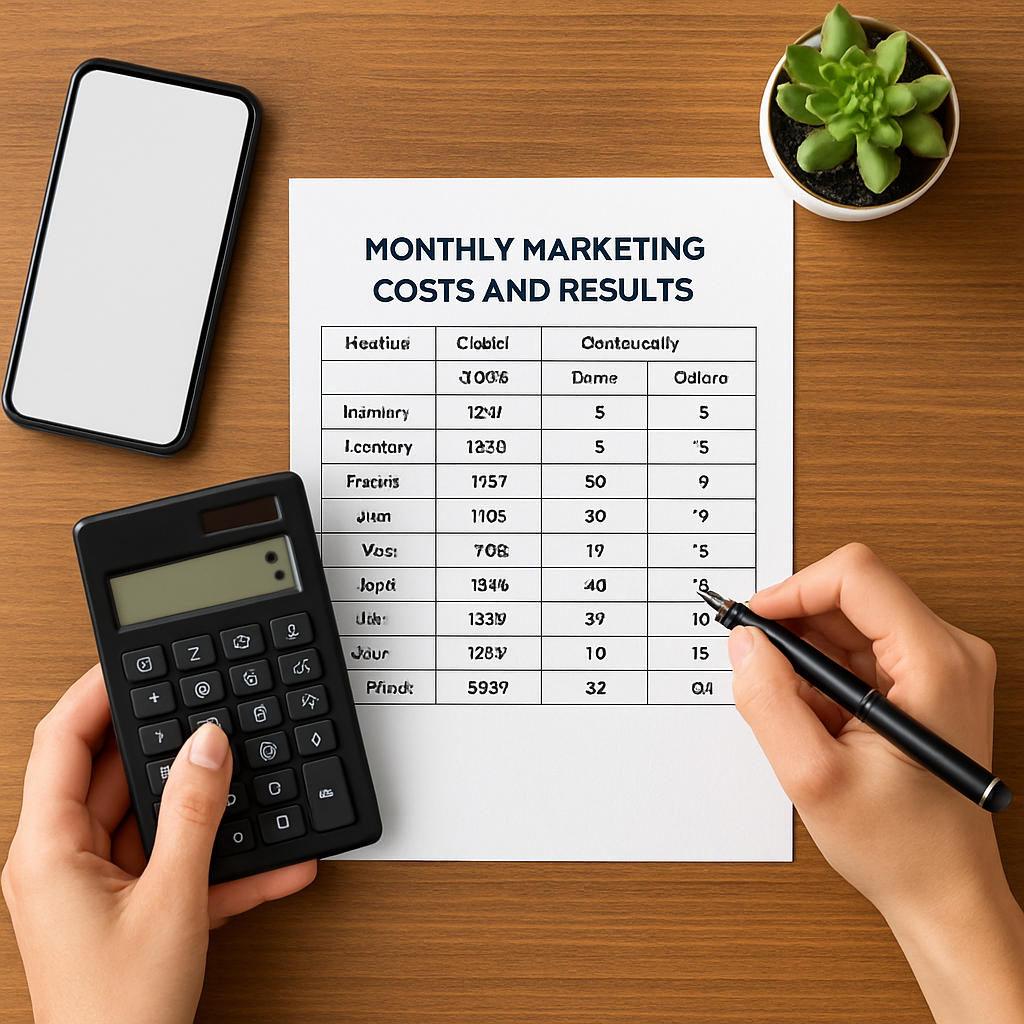
You don’t need expensive analytics platforms to measure results. Many small businesses successfully track AI marketing ROI methods using tools they already have or can access for free:
- Google Analytics: Free and powerful for tracking website traffic, referral sources, and goal completions. Set up conversion tracking to see which AI-driven campaigns send visitors who actually take action.
- Built-in platform analytics: Most email services, social media platforms, and AI tools come with basic dashboards showing opens, clicks, engagement, and more.
- Spreadsheets: Sometimes the simplest approach works best. Create a monthly tracker with columns for tool cost, leads generated, time saved, and any other key metrics. Update it regularly and watch trends emerge.
- Customer feedback: Don’t underestimate the value of simply asking customers how they found you or what influenced their decision. A quick post-purchase survey can reveal whether your AI chatbot or personalized emails made a difference.
The Federal Trade Commission provides guidance on transparent marketing practices that can help you collect customer feedback responsibly.
When to Adjust or Walk Away
Tracking AI marketing ROI methods isn’t just about celebration—it’s also about knowing when to pivot. If a tool isn’t delivering after a fair trial period (usually three to six months), it might be time to renegotiate, replace it, or go back to doing things the old-fashioned way.
Red flags include costs rising faster than results, tools requiring more time to manage than they save, or metrics that stubbornly refuse to improve despite your best efforts. Small businesses thrive on agility, and being willing to cut losses is a strength, not a failure.
On the flip side, when something works, lean into it. If your AI email tool is driving bookings, consider upgrading to a more robust plan or expanding how you use it. Success leaves clues, and your tracking data will reveal them.
Making Informed Decisions for Your Business
At the end of the day, tracking AI marketing ROI methods empowers you to make smarter decisions about where to invest your time and money. You’ll know what’s worth keeping, what needs tweaking, and what’s just not a fit for your business right now.
If you’re a local business owner exploring how AI and other modern tools can support your growth, we’d love to chat. Stop by, give us a call, or send a message—we’re here to help you find strategies that actually work for your unique situation.