
Ever wonder why some local practices feel instantly welcoming to families while others leave you juggling a toddler in one arm and paperwork in the other? The difference often comes down to thoughtful design and intentional choices that make visits smoother for parents, kids, and everyone in between.
Understanding what makes a practice truly family-friendly can help you find the right fit for your household’s needs. These family friendly practice features aren’t just nice-to-haves—they’re essentials that turn stressful appointments into manageable, even pleasant, experiences.
Flexible Scheduling That Works Around Real Life
\p>Families don’t operate on a nine-to-five schedule, and neither should the practices that serve them. One of the most important family friendly practice features is availability that accommodates school drop-offs, nap times, and working parents’ lunch breaks.
Look for practices that offer:
- Early morning or evening appointment slots
- Weekend availability, even if limited
- Online booking systems that let you schedule at midnight if that’s when you remember
- Same-day or next-day appointments for urgent needs
When a practice understands that your six-year-old can’t miss another half-day of school, or that your work schedule is tight, they’re showing real family-centered thinking. According to the American Academy of Pediatrics, accessibility and convenience are key factors in maintaining consistent care for children.
A Waiting Area That Doesn’t Feel Like a Test of Patience

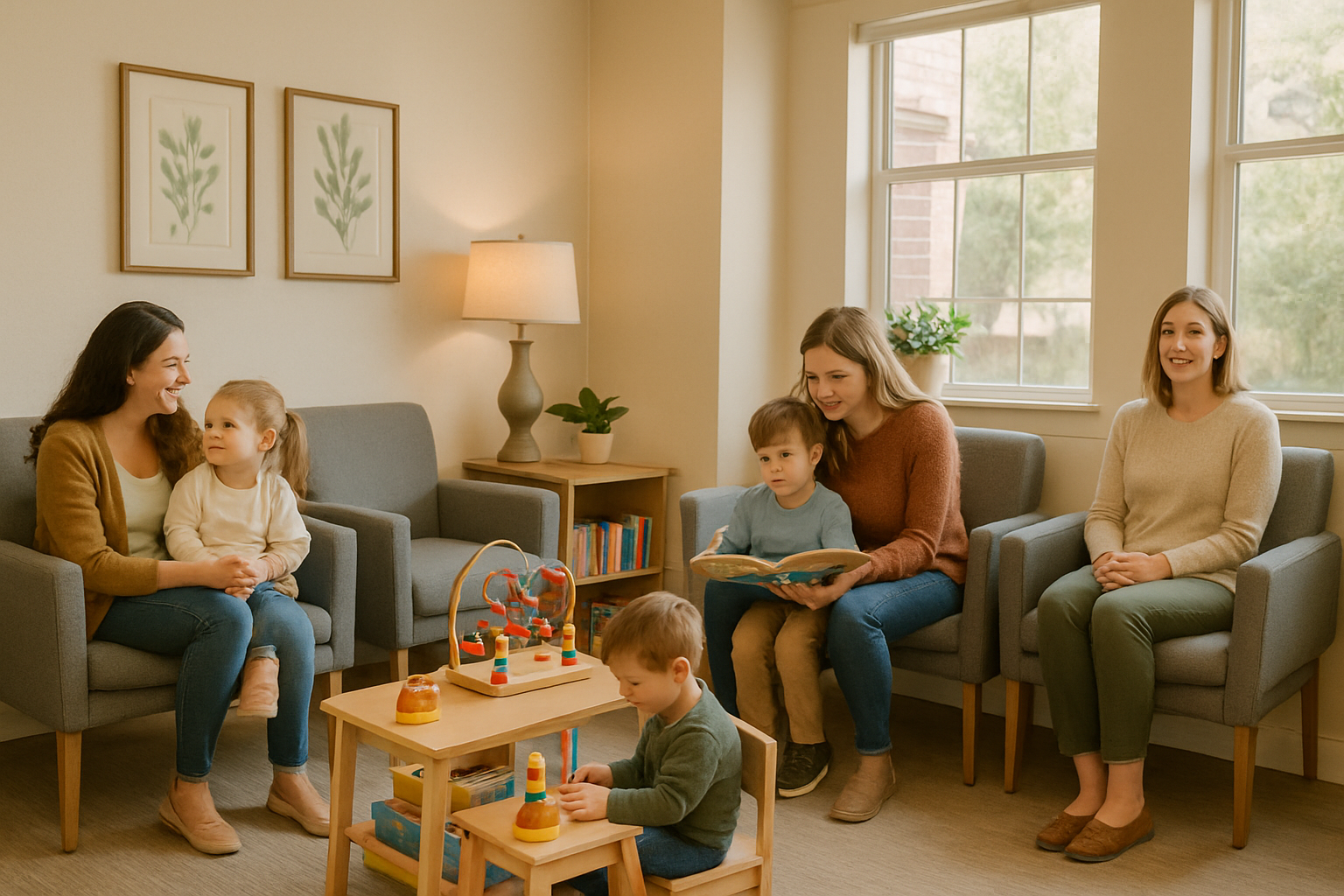
The waiting room experience tells you almost everything you need to know about whether a practice truly welcomes families. A thoughtful space keeps children engaged and parents sane during those inevitable wait times.
Family-friendly waiting areas typically include clean play zones with age-appropriate toys, books, or activities that don’t require supervision. Some practices go further with tablet stations, puzzles, or even separate quiet areas for infants and toddlers. The goal is simple: reduce the stress that comes from asking a four-year-old to sit still in a chair designed for adults.
Comfortable seating for adults matters too—especially seating that accommodates nursing mothers or parents holding sleeping babies. Small touches like accessible changing tables and family restrooms make a world of difference.
Staff Who Actually Understand Family Dynamics
Technical expertise matters, but so does emotional intelligence. The best family friendly practice features include team members who know how to talk to children at their level, who stay patient when a toddler is having a meltdown, and who communicate clearly with parents without using unnecessary jargon.
You’ll notice this in the little things: a receptionist who greets your child by name, a team member who offers a sticker or a high-five, or someone who explains what’s happening next in words a six-year-old can understand. This kind of training and culture doesn’t happen by accident—it’s a deliberate choice to prioritize the family experience.
Clear Communication and Transparent Processes
Nothing adds stress to a family’s day like confusion about what to expect, what to bring, or what happens next. Family-friendly practices excel at clear, proactive communication.
This means:
- Reminder calls, texts, or emails so you don’t forget appointments
- Clear instructions about preparation, paperwork, or what to bring
- Upfront information about costs, insurance, and payment options
- Follow-up explanations or resources after visits
When a practice respects your time enough to communicate well, it shows they understand the juggling act that is family life. The Federal Trade Commission emphasizes transparency in business communications as a cornerstone of consumer trust.
Safety and Cleanliness You Can See
Parents notice cleanliness immediately. Family-oriented practices maintain visible hygiene standards—from sanitized toys in the play area to spotless restrooms and treatment spaces.
Beyond the obvious, look for practices that have updated their safety protocols and are willing to discuss them. This includes everything from secure check-in procedures to how they handle emergencies. A practice that takes these details seriously is one that understands the trust families place in them.
Policies That Respect Family Realities
Finally, truly family-friendly practice features include policies that acknowledge real-world constraints. Reasonable cancellation windows that account for sick siblings, accommodations for nursing mothers, and understanding when a child simply can’t cooperate that day—these policies signal that a practice sees families as whole people, not just appointment slots.
Some practices even offer sibling discounts, family scheduling (seeing multiple family members in one visit), or payment plans that ease financial pressure. These aren’t just nice gestures; they’re recognition that families have unique needs that deserve tailored solutions.
Finding a practice that checks these boxes can transform how your family experiences routine appointments. If you’re in the area and looking for a local business that puts families first, we’d love to welcome you. Reach out to learn more about how we’ve designed our space and services with your family in mind.