
What if your small business could predict what customers want before they even ask? That’s not science fiction anymore—it’s what AI marketing for small businesses makes possible in 2025, and it’s more accessible than you might think.
For years, enterprise-level companies had all the advantages: dedicated marketing teams, million-dollar ad budgets, and cutting-edge technology. But artificial intelligence has changed the game. Today, AI marketing for small businesses puts powerful automation, customer insights, and personalization tools into the hands of local entrepreneurs who are ready to compete on a whole new level.
What AI Marketing for Small Businesses Actually Means
AI marketing isn’t about robots taking over your business. It’s about using smart software to handle repetitive tasks, spot patterns in customer behavior, and make better decisions faster. Think of it as having a tireless assistant who never sleeps, analyzes data in seconds, and helps you connect with customers at exactly the right moment.
Common AI marketing tools include chatbots that answer questions after hours, email platforms that send personalized messages based on customer actions, and ad systems that automatically adjust your budget to focus on what’s working. These aren’t futuristic concepts—they’re tools small businesses are using right now to save time and grow revenue.
How AI Marketing for Small Businesses Saves Time and Money

Time is the most valuable resource for any small business owner. AI handles the grunt work so you can focus on what matters most: serving customers and growing your business.
- Automated scheduling: AI tools can book appointments, send reminders, and reschedule without you lifting a finger.
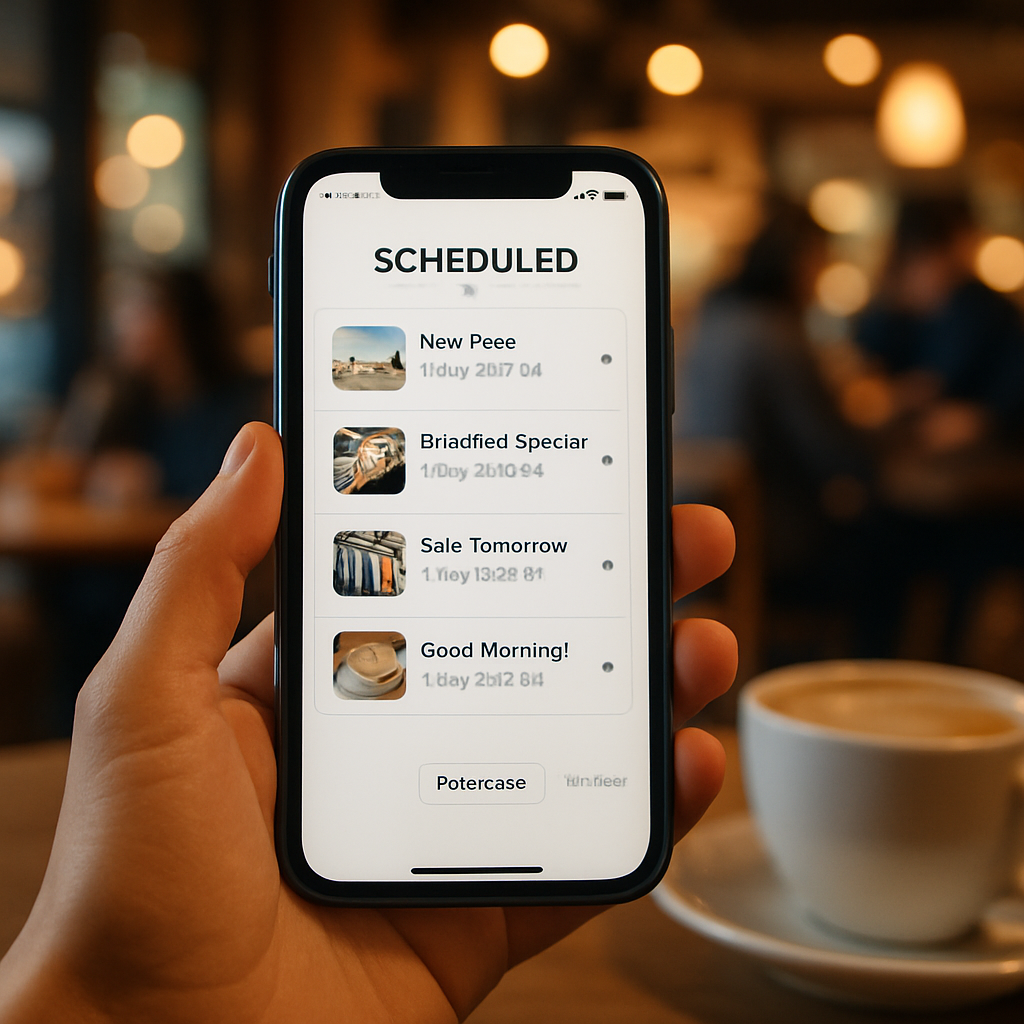
- Social media management: Schedule posts across platforms, suggest optimal posting times, and even generate caption ideas based on what’s performed well in the past.
- Email campaigns: Segment your audience automatically, send personalized follow-ups, and test subject lines to see what gets opened.
- Ad optimization: Platforms like Google and Facebook use AI to show your ads to people most likely to become customers, stretching every dollar further.
According to the U.S. Small Business Administration, small businesses that adopt digital tools see measurable improvements in efficiency and customer satisfaction. AI takes that benefit even further by working around the clock.
Personalization That Makes Customers Feel Seen
People want to feel like more than a number. AI marketing for small businesses helps you treat every customer like a regular, even when you’re serving hundreds or thousands of people.
AI analyzes purchase history, browsing behavior, and engagement patterns to predict what individual customers might want next. Your email platform can automatically send a discount on running shoes to someone who bought athletic gear last month, or remind a customer about a service they scheduled this time last year.
This level of personalization used to require a huge team. Now, it happens automatically in the background while you run your business. Customers notice—and they come back.
Better Insights Without a Data Science Degree
AI tools transform confusing spreadsheets into clear, actionable insights. Instead of wondering why sales dipped last Tuesday, you get straightforward answers: fewer people visited your website, a competitor ran a sale, or your usual posting time got less engagement.
Modern AI dashboards highlight trends, flag unusual patterns, and suggest next steps in plain language. You don’t need to be a tech expert to understand that your email open rates jump 30% when you send on Thursday mornings, or that customers who buy one product often return for another within three weeks.
These insights help you make smarter decisions about inventory, staffing, promotions, and outreach—all based on real data instead of guesswork.
Competing With Bigger Brands on Local Search
When someone nearby searches for what you offer, AI helps make sure they find you first. Search engines like Google use sophisticated AI to decide which businesses appear at the top of local results.
AI-powered SEO tools analyze your website, suggest improvements, and even help you create content that answers the exact questions potential customers are typing into search bars. Review management platforms use AI to monitor feedback across multiple sites, alert you to new reviews, and suggest professional responses.
The Federal Trade Commission reminds businesses to keep marketing truthful and transparent—AI helps you stay compliant by tracking claims and maintaining consistent messaging across all your channels.
Getting Started Is Easier Than You Think
You don’t need a massive budget or a technical background to start using AI marketing. Many platforms offer free trials or affordable monthly plans designed specifically for small businesses.
Start small: pick one area where you’re spending too much time or missing opportunities. Maybe it’s answering the same customer questions over and over, or manually posting to social media every day. Choose one AI tool that solves that specific problem, learn it well, and then expand from there.
According to Shopify’s small business resources, the businesses that succeed with new technology are the ones that implement gradually and focus on solving real problems, not chasing every shiny new feature.
The landscape is changing fast, and 2025 is the year when AI marketing stops being optional and starts being essential. Small businesses that embrace these tools now will be the ones setting the pace in their communities, not struggling to keep up.
Ready to see how modern marketing tools can help your business grow smarter, not just harder? Reach out to learn about practical ways to get started—no jargon, just real solutions for real business challenges.
2 thoughts on “How AI Marketing Helps Small Businesses Compete in 2025”
Comments are closed.