
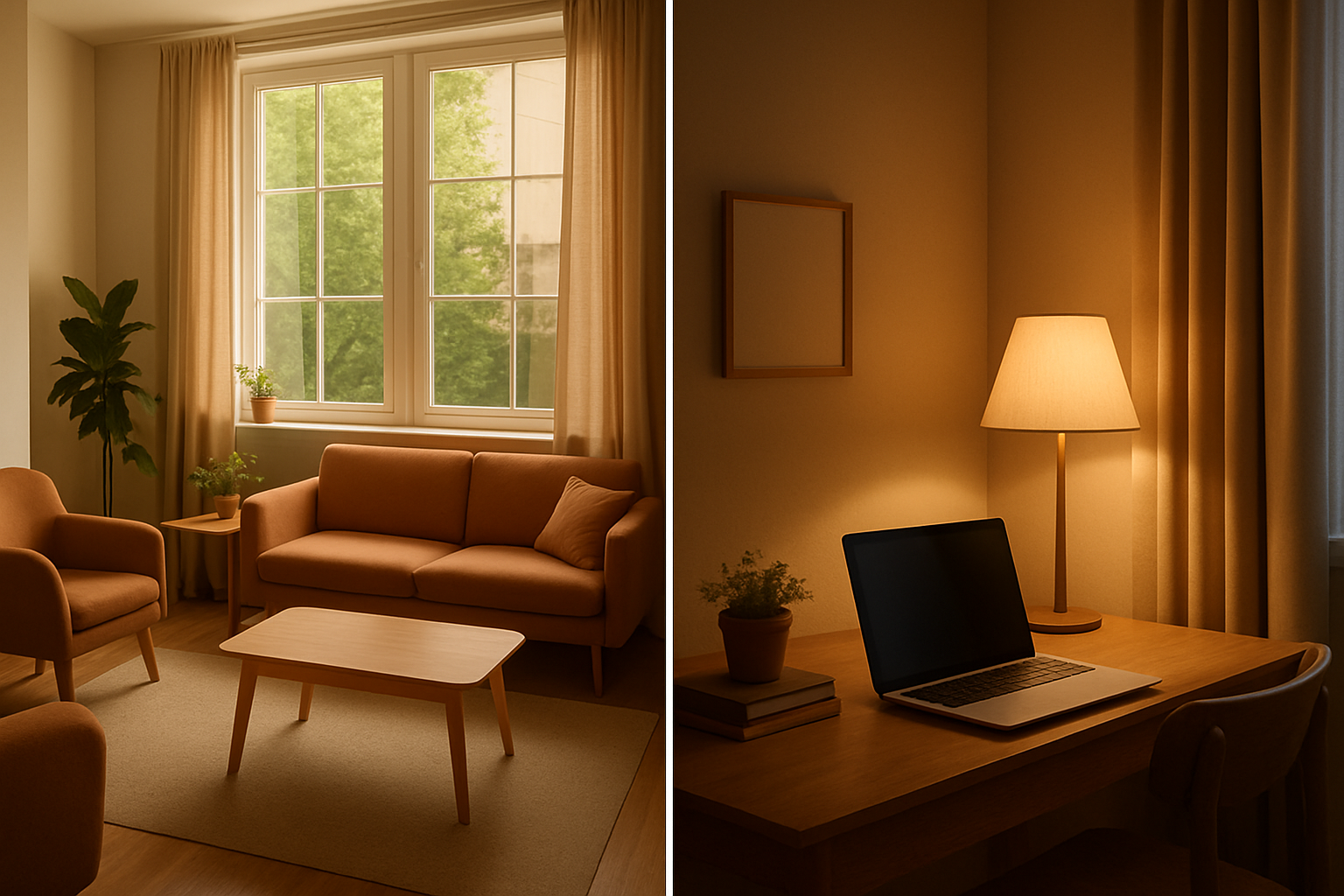
Have you ever found yourself staring at a booking page, wondering whether to click the “in-person” or “virtual” option? You’re not alone. The question of in person versus virtual sessions has become one of the most common conversations we have with clients, and the answer isn’t always straightforward.
As a small local business, we’ve watched the landscape shift dramatically over the past few years. Where once nearly every appointment happened face-to-face, today we offer both formats because we’ve learned that different situations call for different approaches. Let’s walk through what makes each option valuable, so you can make the choice that fits your life best.
Understanding In Person Versus Virtual Sessions: The Core Differences
The most obvious distinction is physical presence. In-person sessions mean you’re in the same room with the professional guiding your experience, while virtual sessions connect you through a screen from wherever you happen to be. But the differences run deeper than geography.
In-person appointments typically offer a fuller sensory experience. You can read body language more naturally, feel the energy of a dedicated space, and benefit from hands-on guidance when needed. There’s something about walking into a welcoming environment that helps many people shift into a different mindset, leaving the outside world at the door.
Virtual sessions, on the other hand, bring the service directly to your home, office, or wherever you have a quiet moment and a reliable internet connection. They eliminate commute time, reduce scheduling friction, and can feel less intimidating for people who prefer the comfort of familiar surroundings. According to the American Psychological Association, many clients report feeling more relaxed in their own environment during virtual appointments.
When In Person Versus Virtual Sessions Makes the Biggest Difference

Certain situations naturally favor one format over the other. If your needs involve physical assessment, hands-on techniques, or specialized equipment that can’t travel home with you, in-person sessions usually make more sense. Similarly, if you thrive on ritual and find that leaving your house helps you commit to the experience, the structure of an in-person appointment can be invaluable.
Virtual sessions shine when logistics are challenging. Parents juggling childcare, professionals with unpredictable schedules, or anyone without easy transportation often find that virtual options make regular appointments actually sustainable rather than theoretically possible. They’re also excellent for follow-up sessions, quick check-ins, or ongoing support that doesn’t require the full in-person experience every single time.
The Connection Question: Can You Build Rapport in Person Versus Virtual Sessions?
One of the most frequent concerns we hear is whether virtual sessions feel as personal or effective. The honest answer is that it depends partly on the individual and partly on how both parties approach the format.
Many clients tell us they were skeptical at first but found that after one or two virtual sessions, the screen seemed to disappear. They felt heard, supported, and engaged just as they would in person. Others say they always prefer the tangible presence of a face-to-face meeting. Neither perspective is wrong.
What matters most is the quality of attention on both sides. A distracted in-person session isn’t better than a focused virtual one, and a well-prepared virtual appointment with good technology can feel remarkably connected. We’ve found that being intentional about minimizing distractions, maintaining eye contact through the camera, and creating a calm environment goes a long way in either format.
Practical Considerations When Choosing Between In Person Versus Virtual Sessions

Beyond preference and format strengths, some practical factors often tip the scale:
- Schedule flexibility: Virtual sessions typically offer more time-slot options because there’s no room-turnover time needed
- Weather and season: Winter storms and summer heat waves affect in-person attendance far more than virtual
- Health considerations: If you’re managing illness, fatigue, or mobility challenges, virtual sessions remove physical barriers
- Privacy needs: Some people feel more private at home; others worry about housemates overhearing and prefer a professional space
- Technology comfort: If video calls feel awkward or your internet connection is unreliable, in-person removes that friction
The Forbes Advisor notes that technology comfort has become less of a barrier as more people have adapted to video communication in various parts of their lives.
Hybrid Approaches: Mixing In Person Versus Virtual Sessions
Here’s something many people don’t realize at first: you don’t have to choose just one format forever. Many of our clients do both, depending on the week, the season, or what they’re working on at the moment.
A common pattern is starting with an in-person session to establish rapport and get a full sense of the space and process, then mixing in virtual sessions for ongoing support. Others do the opposite, beginning virtually to see if the service is a good fit before committing to the travel time. Some people book monthly in-person sessions with virtual check-ins sprinkled between.
The flexibility to adapt your format to your changing needs is one of the genuine advantages of working with a business that offers both. Your life doesn’t stay the same from month to month, so why should your appointment format?
Finding What Works for You
The truth about in person versus virtual sessions is that there’s no universal “best” answer. What works beautifully for your neighbor might not suit your schedule, learning style, or comfort zone. The good news is that you’re allowed to experiment, ask questions, and change your mind.
If you’re curious about which format might serve you better, we’re always happy to talk through your specific situation. Sometimes a quick conversation can clarify what a dozen articles can’t. Feel free to reach out, book a session in whichever format feels most approachable right now, and we’ll take it from there. We’re here either way, screen or face-to-face, ready to support you however works best.