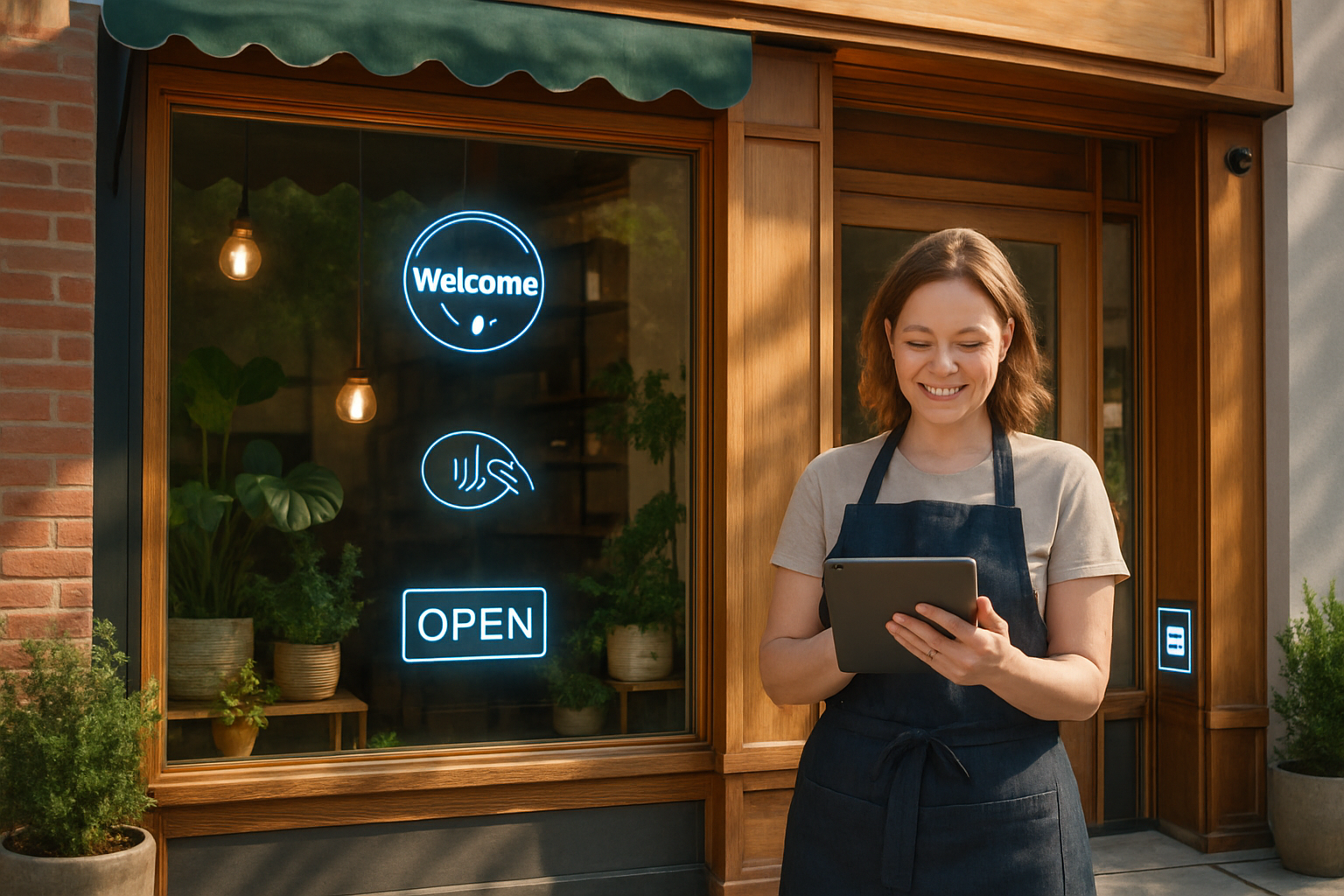
Did you know that nearly 70% of small businesses now use some form of artificial intelligence to stay ahead? If you’re wondering how small business competitive AI strategies can help your local shop keep pace without a Silicon Valley budget, you’re in the right place. AI isn’t just for tech giants anymore—it’s a practical tool that everyday businesses are using to work smarter, serve customers better, and carve out their niche in an ever-changing market.
At the practice, we’ve seen firsthand how the right technology can make a huge difference in day-to-day operations, customer satisfaction, and long-term growth. Here are five realistic, budget-friendly ways small businesses are using AI to stay competitive in 2025.
1. Small Business Competitive AI Strategies Start with Smarter Customer Service
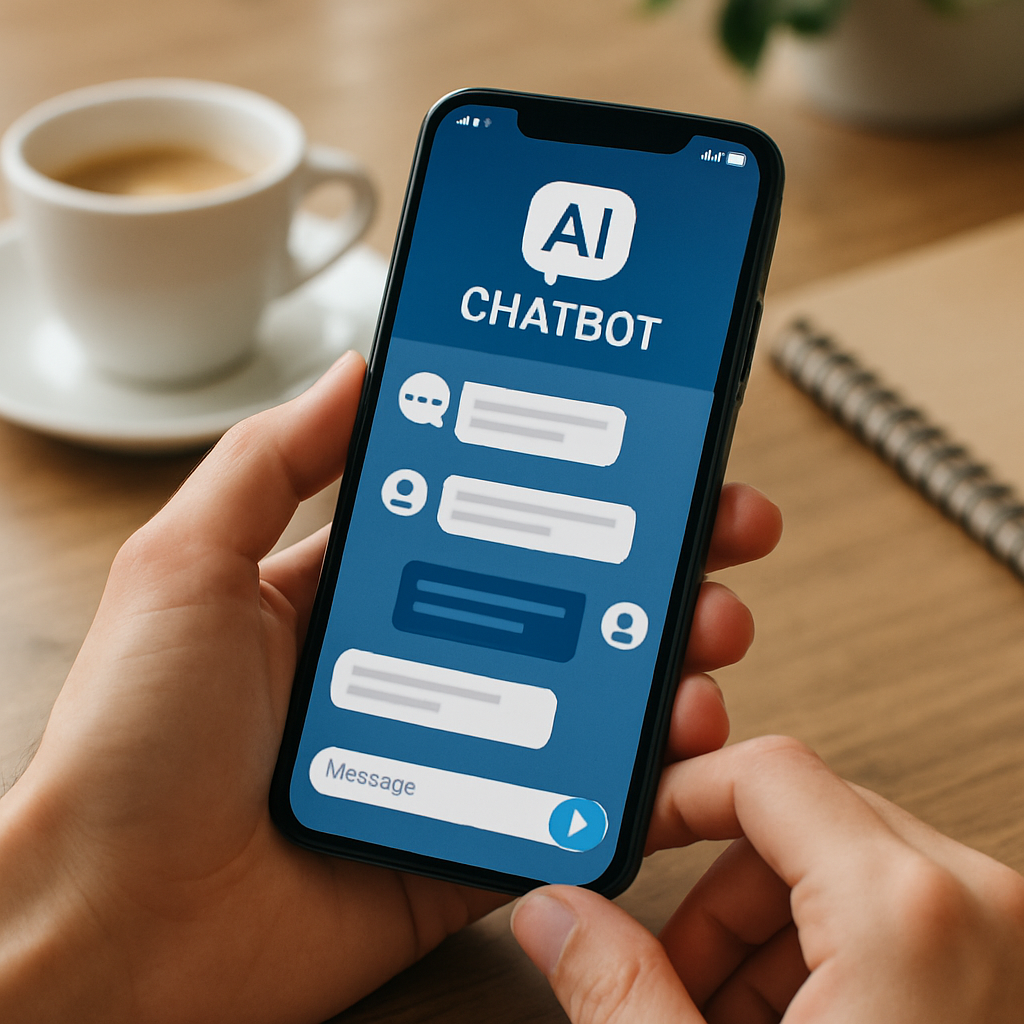
One of the easiest entry points into AI is automating routine customer interactions. Chatbots and AI-powered messaging tools can handle frequently asked questions, schedule appointments, and guide visitors through your website—even when you’re closed for the night.
These tools don’t replace the personal touch that makes small businesses special. Instead, they free up your time so you can focus on the conversations that truly need a human connection. Many platforms integrate seamlessly with existing websites and social media pages, and they learn from every interaction to get better over time.
According to the U.S. Small Business Administration, businesses that respond quickly to inquiries see higher conversion rates and better customer loyalty. AI helps you be there when your customers need you, without burning out your team.
2. Personalized Marketing That Feels Like a Conversation
Generic email blasts and one-size-fits-all promotions don’t cut it anymore. Today’s customers expect messages that speak to their specific needs and preferences. AI makes that kind of personalization possible, even for small teams.
Marketing platforms now use machine learning to analyze customer behavior—what they click, when they visit, what they buy—and automatically tailor emails, product recommendations, and special offers. The result? Higher open rates, more engagement, and customers who feel like you really get them.
This is one of the most effective small business competitive AI strategies because it levels the playing field. You don’t need a massive marketing department to deliver the kind of targeted outreach that used to be reserved for big corporations.
3. Automating the Boring Stuff (So You Can Focus on What Matters)
Running a small business means wearing a lot of hats. AI can take some of those hats off your head by automating repetitive tasks like:
- Invoice processing and payment reminders
- Inventory tracking and reorder alerts
- Social media post scheduling
- Data entry and report generation
These might seem like small wins, but they add up fast. Hours saved each week translate into more time for strategy, customer relationships, and actually enjoying the business you built. Tools like QuickBooks, Shopify, and HubSpot now come with built-in AI features that work quietly in the background, keeping things running smoothly.
4. Better Decision-Making Through Data Insights

Small business owners have always relied on gut instinct, and that’s still valuable. But when you combine intuition with solid data, you make even smarter choices. AI-powered analytics tools can spot patterns you might miss—like which products sell best on rainy days, which marketing channels bring in the highest-quality leads, or when customers are most likely to make a second purchase.
The Forbes Business Council regularly highlights how data-driven decision-making separates thriving businesses from struggling ones. The good news? You don’t need to be a data scientist to benefit. Modern dashboards translate complex numbers into clear visuals and actionable recommendations.
This approach to small business competitive AI strategies helps you allocate resources wisely, reduce waste, and double down on what’s working.
5. Enhancing the In-Person Experience with Smart Tools
AI isn’t only about what happens online. In-store and in-office experiences are getting smarter, too. Point-of-sale systems now predict peak times and suggest optimal staffing levels. Appointment scheduling software learns your customers’ preferences and sends timely reminders that reduce no-shows.
Some businesses are even using AI-powered kiosks or tablets to help customers browse inventory, check product availability, or access detailed information without waiting for assistance. These tools complement your team’s expertise—they don’t replace the friendly face and local knowledge that make your business special.
When customers see that you’re using technology to make their visit smoother and more enjoyable, it builds trust and sets you apart from competitors who are still doing everything the old-fashioned way.
Ready to Explore What AI Can Do for You?
The beauty of small business competitive AI strategies in 2025 is that you don’t have to overhaul everything overnight. Start small, test what works, and build from there. Whether it’s automating one repetitive task, personalizing your email campaigns, or using smarter scheduling tools, every step forward makes a difference.
At the practice, we’re always exploring new ways to serve our community better and work more efficiently. If you’d like to chat about how we can help, or if you’re curious about the tools and approaches that might fit your unique situation, we’d love to hear from you. Stop by, give us a call, or drop us a message—we’re here to help local businesses thrive.