
Have you ever jumped into a shiny new marketing tool only to realize weeks later it wasn’t quite what you expected? Artificial intelligence is transforming how small businesses connect with customers, but the rush to adopt these tools often leads to costly missteps. Understanding the most common AI marketing mistakes small business owners make can save you time, money, and a whole lot of frustration.
Mistake #1: Letting AI Replace Your Brand Voice
One of the biggest AI marketing mistakes small business owners fall into is handing over their entire content creation to automation without oversight. AI tools can draft emails, social posts, and blog content quickly, but they don’t inherently understand what makes your business unique. The result? Generic, cookie-cutter messaging that sounds like it could come from anyone.
Your customers chose you because of your personality, your local roots, and the human touch you bring. When AI writes everything, that authenticity gets lost. Instead, use AI as a co-pilot. Let it generate first drafts or suggest ideas, then rewrite in your own words. Add personal stories, local references, and the warmth that only you can provide. That blend of efficiency and authenticity is where the magic happens.
How to Avoid Common AI Marketing Mistakes Small Business Teams Make
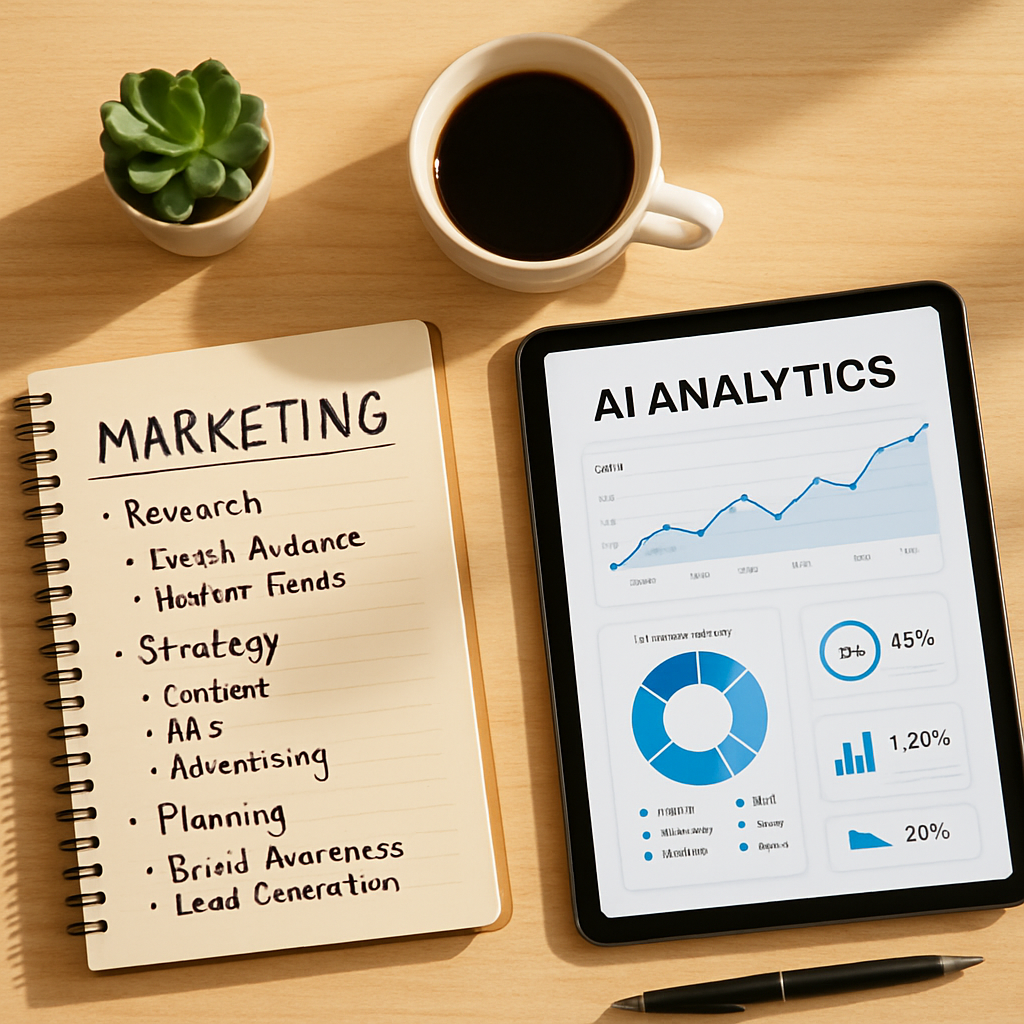
Another frequent stumbling block is deploying AI without a clear strategy. Too many small business owners sign up for every trendy tool they hear about on a podcast or see in their social feed, then wonder why results don’t materialize. AI works best when it’s solving a specific problem, not when it’s a solution looking for a purpose.
Before adopting any AI marketing platform, ask yourself:
- What specific task is eating up too much of my time?
- Will this tool integrate with what I’m already using?
- Do I have the bandwidth to learn it and monitor its output?
- Is this solving a real business problem or just shiny-object syndrome?
Start with one tool that addresses your biggest pain point—maybe email personalization or social media scheduling—and master that before layering on more technology. According to the U.S. Small Business Administration, focused marketing efforts consistently outperform scattered attempts, and the same principle applies to AI adoption.
Ignoring Data Privacy and Customer Trust
AI tools are incredibly hungry for data, and many small businesses don’t realize what information they’re feeding into third-party platforms. Customer email addresses, purchase histories, and behavioral data can all end up in systems where you don’t fully control how they’re used or stored. This is one of those AI marketing mistakes small business leaders overlook until it’s too late.
Your customers trust you with their information. Before connecting any AI tool to your customer database, read the privacy policy and terms of service carefully. Look for platforms that are transparent about data usage and offer clear opt-out options. The Federal Trade Commission provides helpful guidance on protecting customer data, and staying compliant isn’t just smart—it’s essential for maintaining trust in your community.
Make it a habit to review permissions quarterly and remove tools you’re no longer actively using. Less is often more when it comes to protecting your customers.
Expecting Instant Results Without Testing

AI isn’t a magic wand. It’s a powerful assistant that still requires human judgment, testing, and refinement. Many small business owners make the mistake of launching an AI-powered campaign and expecting overnight success, then abandoning the tool when results don’t appear immediately.
Effective AI marketing requires experimentation. Run A/B tests on your email subject lines. Try different tones in your automated responses. Track what resonates with your audience and adjust accordingly. The businesses that see real results from AI are the ones willing to iterate, learn, and fine-tune over weeks and months, not days.
Forgetting the Human Element in Customer Interactions
Chatbots and automated responses can handle routine questions beautifully, but they can’t replace genuine human connection—especially for a local business where relationships matter. One of the most damaging AI marketing mistakes small business owners make is over-automating customer touchpoints to the point where people feel like they’re talking to a machine.
Use AI to handle the repetitive stuff: appointment confirmations, FAQ responses, order status updates. But when a customer has a complaint, a nuanced question, or simply wants to connect, make sure a real person is easy to reach. Display your phone number prominently, respond personally to detailed messages, and never let automation become a wall between you and the people you serve.
Working Smarter, Not Just Faster
AI is here to stay, and small businesses that learn to use it thoughtfully will have a real advantage. The key is approaching these tools with curiosity, caution, and a commitment to keeping your unique voice front and center. Avoid the common AI marketing mistakes small business owners make by starting small, protecting your customers’ data, and never losing sight of the human relationships that make your business special.
If you’re exploring smarter ways to grow without losing what makes you, you, we’d love to talk. Stop by, give us a call, or reach out online—we’re here to help you navigate the changing landscape of local business marketing with confidence.