
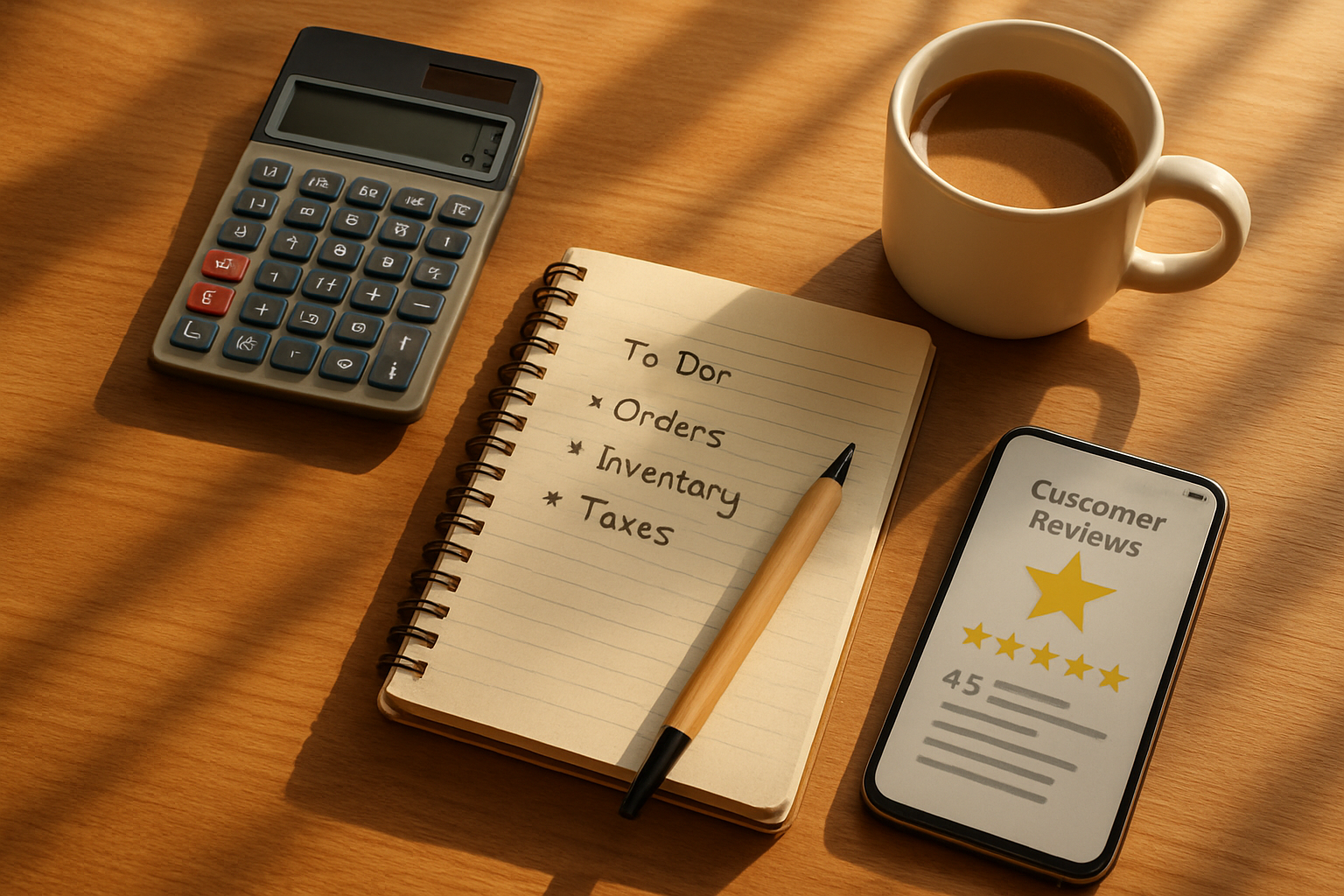
Have you ever walked away from a purchase wondering whether you truly got your money’s worth? When it comes to evaluating whether service return on investment is worth your hard-earned dollars, the question runs deeper than a simple price tag. Understanding real value means looking beyond the upfront cost to see what you actually gain over time.
What Does Service Return on Investment Worth Really Mean?
Return on investment isn’t just corporate jargon. For everyday people making decisions about where to spend their money, it’s about getting lasting value that improves your life or solves a real problem. When we talk about whether service return on investment is worth considering, we’re asking: does this purchase deliver benefits that justify the expense?
Think of it this way. A cheap repair might save you money today, but if it fails in three months and you’re paying again, was it really a bargain? True value comes from durability, reliability, and results that stick around long after the receipt fades.
Breaking Down the Real Costs Beyond the Price Tag
Smart consumers look at total cost of ownership, not just the initial quote. Here’s what often gets overlooked:
- Time investment: How many hours will you spend dealing with this service, including scheduling, travel, and follow-up appointments?
- Opportunity cost: What else could you be doing with that time or money?
- Longevity: How long will the results last before you need to invest again?
- Hidden extras: Are there maintenance costs, required supplies, or future touch-ups to factor in?
- Peace of mind: What’s the value of knowing the job was done right the first time?
According to the Federal Trade Commission’s consumer guidance, taking time to evaluate the full picture helps prevent buyer’s remorse and ensures you’re making decisions aligned with your actual needs.
Measuring Service Return on Investment Worth in Your Daily Life
Let’s get practical. When you’re deciding whether a service makes sense for your situation, ask yourself these questions:
- Does this solve a problem I’m actually experiencing, or am I being sold something I don’t need?
- Will this save me time, stress, or future expense in measurable ways?
- What happens if I wait six months? Will the problem get worse or stay the same?
- Have I talked to people I trust who’ve used similar services?
- Does this business stand behind their work with realistic expectations?
The U.S. General Services Administration reminds consumers that understanding what you’re buying before you commit is one of the most powerful tools against financial regret.
The Difference Between Price Shopping and Value Shopping

There’s a world of difference between finding the lowest price and finding the best value. Price shopping focuses on a single number. Value shopping considers the entire experience and outcome.
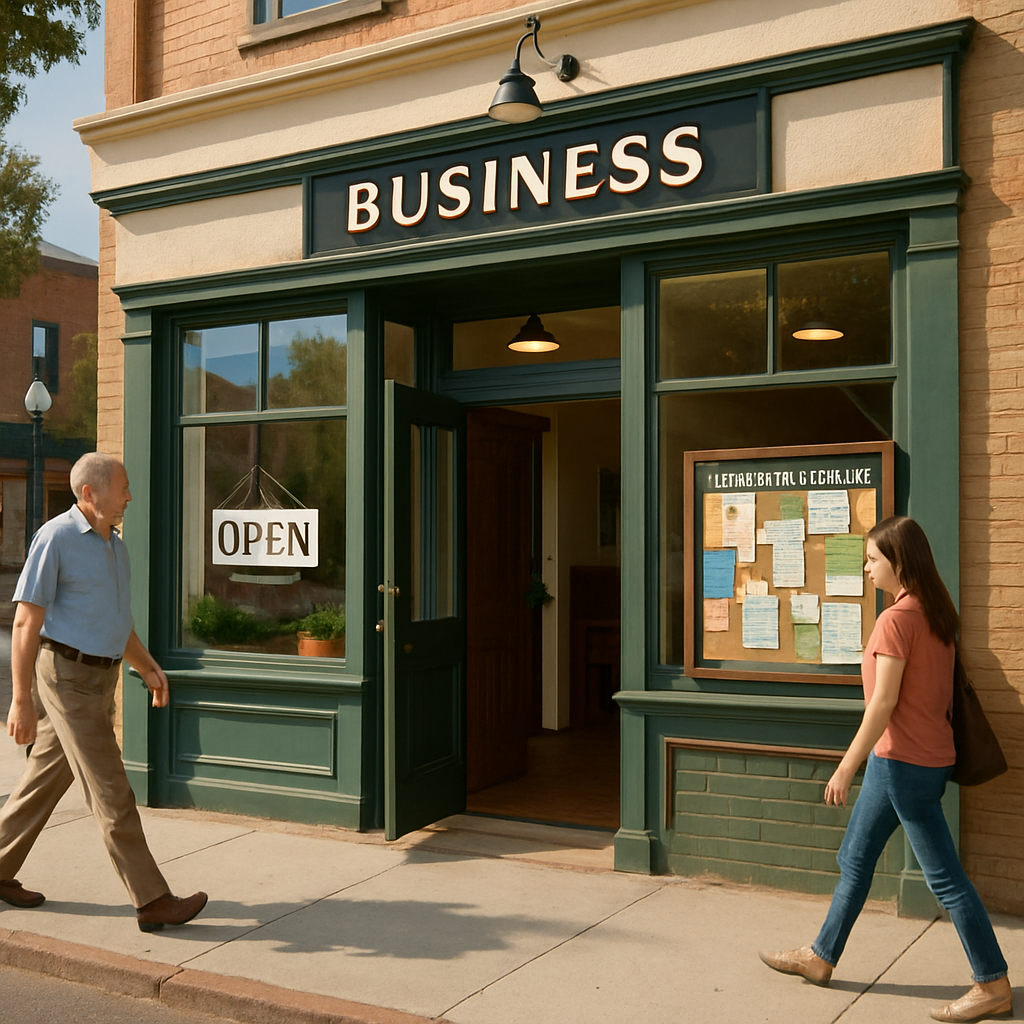
A local business might charge more than a distant chain, but that difference often includes personalized attention, accountability to the community, easier communication, and flexibility when life throws curveballs. You’re not just paying for the service itself but for the relationship and reliability that comes with it.
Value also shows up in expertise. Someone who’s been serving the local area for years brings knowledge that can’t be downloaded or outsourced. They understand local conditions, common challenges, and what actually works in real-world situations.
Red Flags That Signal Poor Return on Investment
Not every offer delivers on its promises. Watch for these warning signs:
- Pressure to decide immediately without time to think or compare options
- Guarantees that sound too good to be true or promise specific outcomes no one can control
- Reluctance to answer direct questions about process, timeline, or what’s included
- No clear way to reach the business after the sale
- Prices significantly lower than everyone else without a reasonable explanation
Trust your instincts. If something feels off, it probably is.
Making Confident Decisions About Your Investment
At the end of the day, deciding whether service return on investment is worth your resources comes down to alignment between what you need and what you’re getting. The best investments feel right not just on paper but in your gut.
Local businesses thrive on reputation. When your neighbors are also your customers, there’s built-in accountability that nationwide corporations simply can’t match. That community connection often translates into better service, more flexibility, and outcomes that truly meet local needs.
Before making your next service decision, take a moment to evaluate the whole picture. Consider not just what you’ll pay, but what you’ll receive, how long it will last, and whether the business you’re supporting shares your values.
If you’re weighing your options and want to talk through what makes sense for your specific situation, we’re here to help. Stop by, give us a call, or send a message. We’re part of this community, and we’re invested in making sure your experience delivers real value that lasts.