

When you’re choosing a provider for something important to you or your family, how do you know they’re truly qualified? In 2025, understanding which provider credentials to verify can make all the difference between a great experience and a disappointing one.
The truth is, credentials matter more than ever. With so many options available locally, knowing what to look for helps you make confident, informed decisions. Let’s walk through the key qualifications that separate truly skilled professionals from those who may not have the training or oversight you deserve.
Why Provider Credentials to Verify Should Be Your Starting Point
Before you book an appointment or commit to a service, checking credentials isn’t being picky—it’s being smart. Professional credentials tell you that someone has met specific standards, completed required training, and agreed to follow ethical guidelines.
When you verify a provider’s qualifications upfront, you’re protecting yourself and your family. You’re also supporting businesses that invest in proper training and maintain high standards. Think of it as reading reviews, but with objective, verifiable proof of expertise.
In most industries, credentials fall into a few categories: licenses issued by state or local authorities, certifications from recognized professional organizations, continuing education records, and insurance or bonding documentation. Each serves a different purpose, and together they paint a complete picture of a provider’s qualifications.
State Licenses and Local Permits You Should Always Check
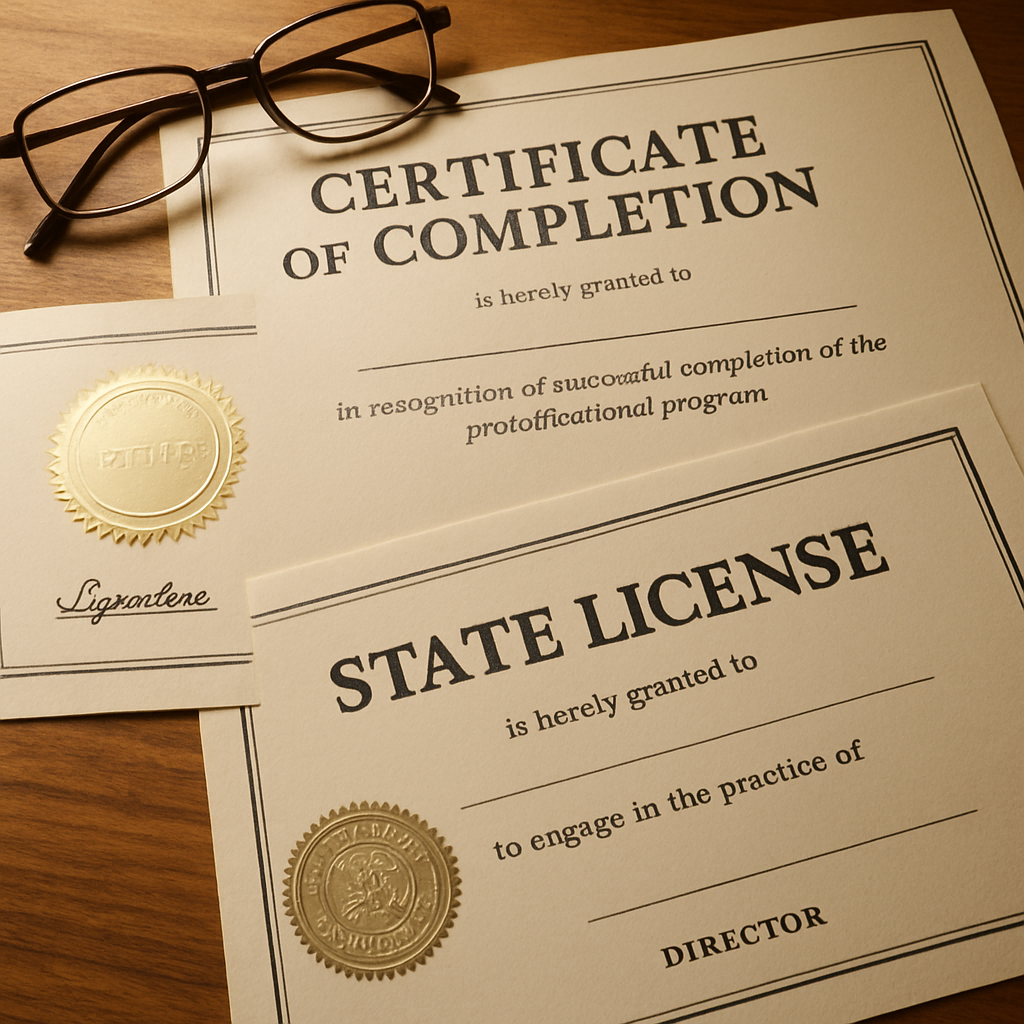
State-issued licenses are non-negotiable for many professions. Whether you’re working with a contractor, healthcare provider, cosmetologist, or other licensed professional, this is the baseline credential to verify.
Most states maintain online databases where you can search by name or license number. These databases typically show whether a license is current, if there have been any disciplinary actions, and when it expires. The Federal Trade Commission offers guidance on checking contractor credentials, and similar principles apply across many industries.
Local business permits and registrations matter too. A provider operating in your community should have the proper local permits, which shows they’re following zoning laws and local regulations. This isn’t just red tape—it’s accountability to your community.
Professional Certifications That Signal Real Expertise
Beyond basic licensing, many providers earn certifications from industry organizations that demonstrate specialized knowledge. These aren’t required by law, but they show someone went above and beyond the minimum.
When evaluating certifications, ask yourself a few questions:
- Is the certifying organization well-known and respected in the industry?
- Does the certification require testing, training, or both?
- Is it current, or did it expire years ago?
- Does it require continuing education to maintain?
Legitimate certifications typically come from established trade associations or professional bodies with clear standards. Be cautious of certificates that seem to come from unknown organizations or appear to be purchased rather than earned through demonstrated competence.
Insurance and Bonding: Essential Provider Credentials to Verify

Professional liability insurance and bonding protect you if something goes wrong. A provider who carries appropriate insurance shows they take responsibility seriously.
Don’t be shy about asking to see proof of insurance. Reputable businesses expect this question and have documentation ready. You want to verify that coverage is current and adequate for the type of work being performed.
Bonding provides an additional layer of protection, particularly for service providers who work in your home or handle valuable property. According to the U.S. Small Business Administration, proper licensing and bonding are hallmarks of legitimate, professional businesses.
Continuing Education and Up-to-Date Training
Industries change, and the best providers keep learning. Continuing education requirements vary by profession, but they serve an important purpose: ensuring providers stay current with new techniques, safety standards, and best practices.
When researching provider credentials to verify, ask about recent training. Has your provider attended workshops or conferences in the past year? Have they updated their skills to reflect 2025 standards and innovations in their field?
Providers who invest in ongoing education tend to offer better service because they’re not relying on outdated knowledge. It’s a green flag when someone can tell you about recent training or new methods they’ve incorporated into their practice.
Red Flags and Warning Signs to Watch For
Just as important as knowing what credentials to look for is recognizing warning signs. Be cautious if a provider:
- Refuses to provide license numbers or certification details
- Can’t provide proof of current insurance
- Has credentials that can’t be verified through official databases
- Displays certificates from organizations you can’t find information about online
- Pressures you to commit before you’ve had time to verify their qualifications
Trust your instincts. A provider who’s proud of their credentials will be happy to share them. Evasiveness or irritation at basic questions is a red flag worth heeding.
Making the Right Choice for Your Needs
Armed with knowledge about which provider credentials to verify, you’re ready to make informed decisions. Take a few minutes to research before you commit. Check online databases, ask for documentation, and don’t be afraid to ask questions.
The right provider will welcome your diligence. They understand that trust is earned, and they’re proud to show you they’ve met professional standards. When you find someone with the proper credentials, current training, and a commitment to excellence, you’ve found a business worth supporting.
Looking for a qualified provider you can trust? We’re proud of our credentials and happy to answer any questions you have. Reach out today to learn more about our qualifications, or stop by to meet our team and see how we can help you.