
Ever wonder if email marketing automation small business tools are just another tech expense you can skip, or if they’re actually the secret weapon your local shop has been missing?
If you’re running a small business, you already wear a dozen hats. The idea of adding “email marketer” to the list might sound exhausting. But here’s the thing: automation doesn’t mean more work. Done right, it means less work and better results. Let’s walk through what email automation really looks like for a shop like ours, and whether the investment pays off.
What Email Marketing Automation for Small Business Actually Means
First, let’s clear up the jargon. Email marketing automation is just a fancy way of saying your emails send themselves based on triggers you set up once. A customer signs up for your list? They get a welcome email. Someone hasn’t visited in three months? They get a friendly “we miss you” note. You set the rules, and the software does the rest.
You’re not hiring a full-time marketing team. You’re using smart tools to stay in touch with customers without manually typing and sending every message. Think of it like setting your coffee maker the night before—you do the prep once, and it works for you while you sleep.
Common Automation Workflows Small Shops Use
- Welcome series: introduce new subscribers to your story and offerings
- Birthday or anniversary messages: a personal touch customers remember
- Re-engagement campaigns: gently remind dormant customers you’re still here
- Post-purchase follow-ups: ask for feedback or suggest related products
The Real Costs of Email Marketing Automation Small Business Owners Face

Let’s talk money. Most email platforms charge based on how many contacts you have. For a small local business with a few hundred to a couple thousand people on your list, you’re typically looking at somewhere between twenty and seventy-five dollars a month. That’s less than most people spend on their phone bill.
There’s also a time investment up front. You’ll spend a few hours setting up your first automation sequences—writing the emails, designing simple templates, and deciding on your triggers. But once they’re running, they require very little ongoing attention. Compare that to manually reaching out to customers one by one, and the math gets pretty clear.
According to the Federal Trade Commission’s CAN-SPAM guidelines, you’ll also need to make sure every email includes an easy way to unsubscribe and your physical business address. These aren’t costs, just good practices that keep you compliant and trustworthy.
How Email Marketing Automation Small Business Tools Save You Time
Here’s where the magic happens. Imagine a customer walks in, loves what they see, and asks to join your mailing list. Without automation, you’d need to remember to send them a thank-you, introduce your services, maybe share a helpful tip or two over the next few weeks. With automation, all of that happens instantly and consistently—no memory required.
During busy seasons, you’re not scrambling to stay in touch. During slow seasons, your emails keep your business top-of-mind. The tool works the same every single day, whether you’re swamped or sipping coffee on a quiet Tuesday morning.
One local business owner we know said it best: “I used to feel guilty that I wasn’t emailing my list. Now I feel great knowing my customers hear from me regularly, and I didn’t have to do anything extra this week.”
What Results Can Small Shops Realistically Expect?
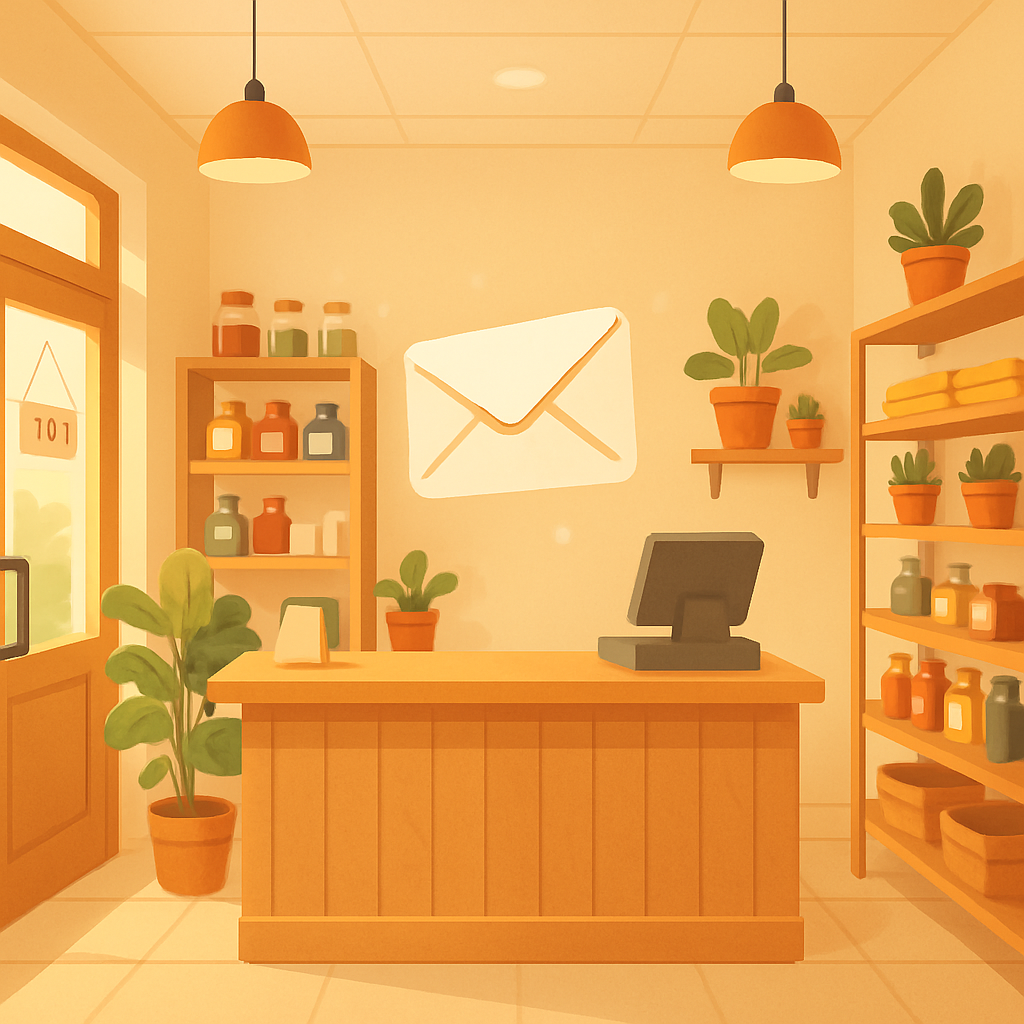
Let’s be honest: email automation isn’t going to double your revenue overnight. What it will do is keep you connected to people who’ve already shown interest in your business. Those warm connections are worth their weight in gold.
Industry benchmarks from the Small Business Administration’s marketing resources suggest that email typically delivers a strong return compared to other channels—but only if you’re consistent and relevant. Automation makes consistency easy.
You might see more repeat visits, more word-of-mouth referrals, and a general sense that customers feel more connected to your business. Some weeks will be quiet. Other weeks, someone will walk in and say, “I got your email and just had to stop by.” Those moments make it worthwhile.
Getting Started Without Overwhelming Yourself
If you’re sold on trying email marketing automation for your small business, start simple. Pick one workflow—like a welcome series for new subscribers—and build from there. Write three short, friendly emails. Set them to send one day apart. Done.
Choose a platform that’s designed for small businesses. Look for names that come up often in local business circles, and take advantage of free trials to test the water. Resources for small business owners often include reviews and comparisons to help you decide.
Don’t aim for perfection. Aim for progress. Your first email doesn’t need to win awards—it just needs to sound like you and make your customers feel welcome.
Is Email Marketing Automation Small Business Friendly? Our Take
After weighing the costs, the time commitment, and the results, we think email automation is one of those rare tools that actually delivers on its promise for small local businesses. It won’t replace great service, quality products, or a warm smile when customers walk through the door. But it will help you stay connected to your community in a way that’s both personal and scalable.
If you’ve been on the fence, consider starting with one simple automation and seeing how it feels. You might be surprised at how quickly it becomes a natural part of how you do business. And if you ever want to chat about what’s working for us or share ideas, stop by anytime—we’d love to hear from you.