
Are you watching larger competitors automate their marketing while wondering if your small business could do the same? More local businesses than ever are asking themselves when to start AI marketing — and the answer might surprise you.
AI marketing tools are no longer reserved for enterprise budgets or tech giants. Today’s platforms are designed for small teams with limited time and resources. But how do you know if your business is genuinely ready to take the leap? Here are seven clear signs it’s time to explore AI marketing for your operation.
You’re Spending Hours on Repetitive Marketing Tasks
If you find yourself writing the same types of social media posts, responding to similar customer questions, or manually scheduling emails week after week, you’re already doing work that AI can handle. When your marketing feels like a time drain rather than a growth engine, that’s a strong signal.
Small business owners wear many hats, and marketing shouldn’t consume your entire day. AI tools can draft content variations, suggest posting times based on your audience activity, and even respond to common inquiries with natural-sounding language. The time you save can go back into serving customers or developing your products.
Your Customer Data Is Growing But Underused
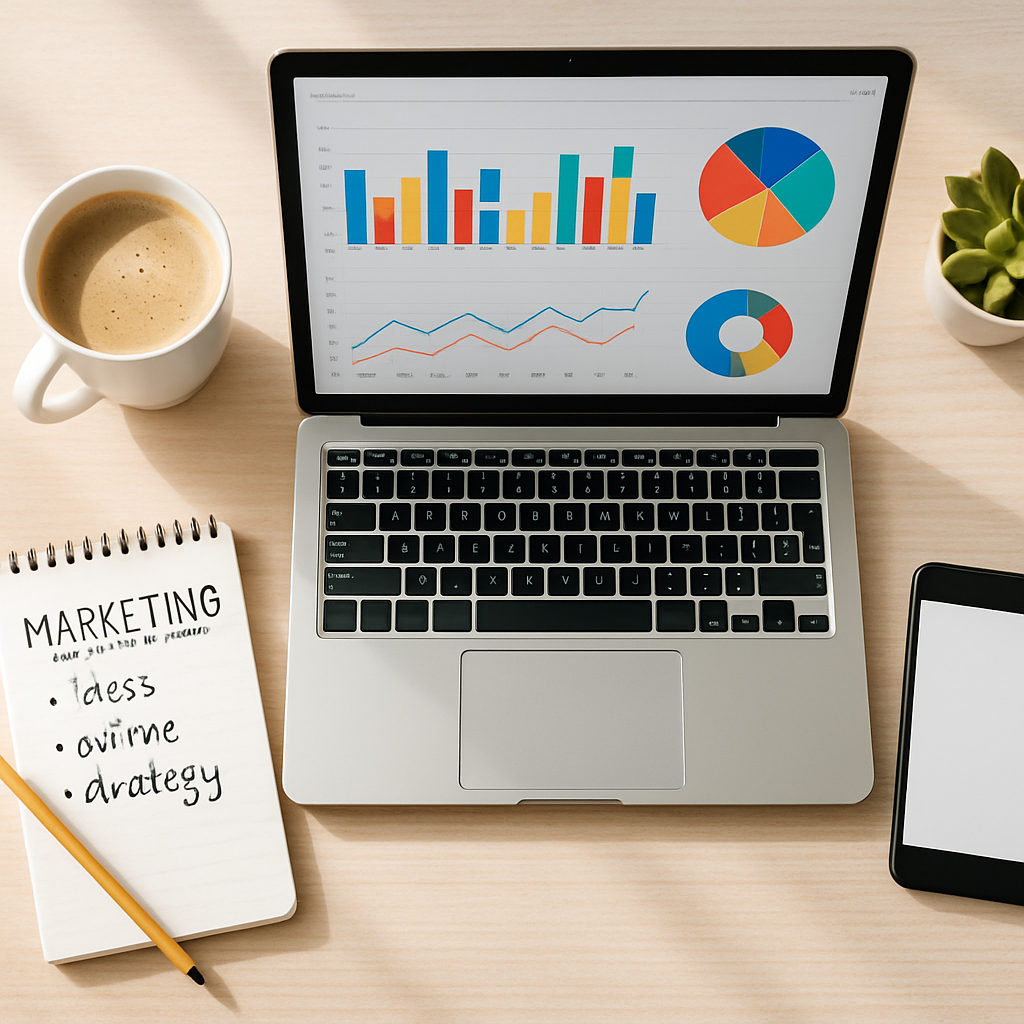
You have email lists, purchase histories, website analytics, and maybe even customer feedback forms — but are you actually using that information to personalize your outreach? Most small businesses collect far more data than they can manually analyze.
This is precisely when to start AI marketing: when you have valuable information but lack the bandwidth to act on it. AI excels at spotting patterns in customer behavior, segmenting audiences automatically, and triggering timely messages based on real actions. A customer who browsed your site three times this week is different from someone who hasn’t visited in months, and AI helps you treat them accordingly.
You Want to Compete Locally But Feel Outmatched
Larger businesses in your area might have full marketing departments, but you’re managing everything yourself or with a tiny team. That imbalance doesn’t have to be permanent. According to the U.S. Small Business Administration, effective marketing is one of the key factors in small business growth — and AI levels the playing field considerably.
When local competitors are sending personalized emails, retargeting website visitors, and posting consistently across platforms, AI tools let you do the same without hiring additional staff. You’re not trying to outspend them; you’re working smarter with the resources you already have.
You’re Ready to Test and Learn Without Big Risk

One major advantage of modern AI marketing platforms is their low barrier to entry. Many offer free trials or affordable monthly plans that cost less than a single freelancer’s invoice. If you’re at a point where you can invest a small amount to experiment — both financially and time-wise — that’s a green light.
The best time to start is when you’re willing to test, measure results, and adjust. AI isn’t magic; it requires some learning and iteration. But if you’re open to that process and have realistic expectations, you’ll likely see improvements in efficiency and reach fairly quickly.
When to Start AI Marketing: You Have Clear Goals and Metrics
AI works best when you know what you’re trying to achieve. Maybe you want to increase email open rates, drive more traffic to your website, or boost repeat purchases. If you can name your goal and currently track at least basic metrics, you’re ready.
Without clarity, even the smartest tools can’t help much. But once you define success — say, growing your email list by 15% over three months — AI can optimize campaigns toward that target, adjusting in real time based on performance data.
You’re Comfortable Learning New Tools
You don’t need to be a software engineer, but a willingness to explore new platforms is essential. If you’ve successfully adopted scheduling tools, bookkeeping software, or customer management systems in the past, AI marketing tools will feel like a natural next step.
Most platforms today are designed with non-technical users in mind. The Federal Trade Commission emphasizes transparency in AI claims, and reputable tools offer tutorials, customer support, and straightforward interfaces. Your comfort with technology doesn’t have to be advanced — just open-minded.
Your Current Marketing Feels Inconsistent
Do weeks go by without a social post? Do you send emails only when you remember? Inconsistency is one of the biggest challenges for small business marketing, and it’s also one of the easiest problems for AI to solve.
Automated scheduling, content suggestions, and campaign triggers keep your marketing presence steady even during your busiest weeks. When to start AI marketing often boils down to this: when you’re tired of the feast-or-famine cycle and ready for reliable, ongoing visibility.
Taking the Next Step
If two or more of these signs resonate with your business, you’re likely ready to explore AI marketing tools. Start small — pick one area like email automation or social scheduling — and build from there as you see results. The goal isn’t to replace the human touch that makes your business special; it’s to free up your time so you can focus on what you do best.
At the practice, we understand the challenges small businesses face when balancing growth with daily operations. Whether you’re curious about AI marketing or looking for guidance on your next step, we’re here to help you navigate these tools with confidence. Reach out anytime to talk about what might work for your unique goals.
1 thought on “7 Signs Your Small Business Is Ready for AI Marketing Now”
Comments are closed.