
Are you still manually scheduling every social post and guessing which ads might work? While you’re doing that, competitors down the street are using artificial intelligence to predict what customers want before they even walk in the door. Understanding why small businesses need AI marketing isn’t just about keeping up—it’s about surviving the next wave of change in how people discover and choose local services.
The landscape has shifted dramatically. Small operations that once thrived on word-of-mouth and a decent website now face competition from businesses using machine learning to optimize every customer touchpoint. The good news? You don’t need a computer science degree or a Silicon Valley budget to get started.
What AI Marketing Actually Means for Main Street Businesses
Let’s clear up the confusion first. When we talk about why small businesses need AI marketing tools, we’re not talking about robots taking over your customer service or building a sentient chatbot. We’re talking about software that learns from patterns—what times your emails get opened, which product photos make people stop scrolling, or what search terms bring people to your door.
These tools have become accessible and affordable in the past two years. Platforms that once cost thousands monthly now offer small-business tiers, and many of the features are baked right into services you probably already use. The U.S. Small Business Administration has started including digital automation in their growth resources because the impact is measurable and real.
Why Small Businesses Need AI Marketing to Compete Locally

Your customers have changed how they shop. They expect personalized recommendations. They want immediate answers to questions at 9 p.m. on a Sunday. They compare your business to others with a few thumb swipes, and they make decisions in seconds based on who seems to understand their needs best.
Here’s what happens when a local business embraces intelligent automation:
- Better timing: Messages reach people when they’re actually paying attention, not when it’s convenient to post
- Smarter spending: Ad budgets go toward audiences most likely to convert, instead of spray-and-pray approaches
- Consistent presence: Your business shows up regularly even during your busiest weeks
- Personalized experience: Repeat customers see different messages than first-timers, making everyone feel recognized
The businesses that adopt these capabilities now are building advantages that compound over time. Their systems get smarter with every interaction, while manual competitors stay stuck doing the same tasks the same way.
The Real Cost of Waiting on AI Marketing Adoption
Let’s talk about what happens if you decide this is something to worry about later. Every month you wait, competitors are collecting data that makes their marketing more effective. They’re training systems to understand your shared customer base better than you do.
A local shop that implements AI-powered email segmentation might see 40-60% higher open rates than generic blasts. That means while you’re reaching 100 people effectively, they’re reaching 150 with the same effort. Multiply that across every marketing channel over twelve months, and the gap becomes uncomfortable.
There’s also the perception issue. Customers increasingly expect certain conveniences—instant booking confirmations, personalized recommendations, quick responses to questions. When your business can’t deliver those experiences, people assume you’re outdated in other ways too. Fair or not, it affects trust and purchasing decisions.
Why Small Businesses Need AI Marketing: Practical First Steps
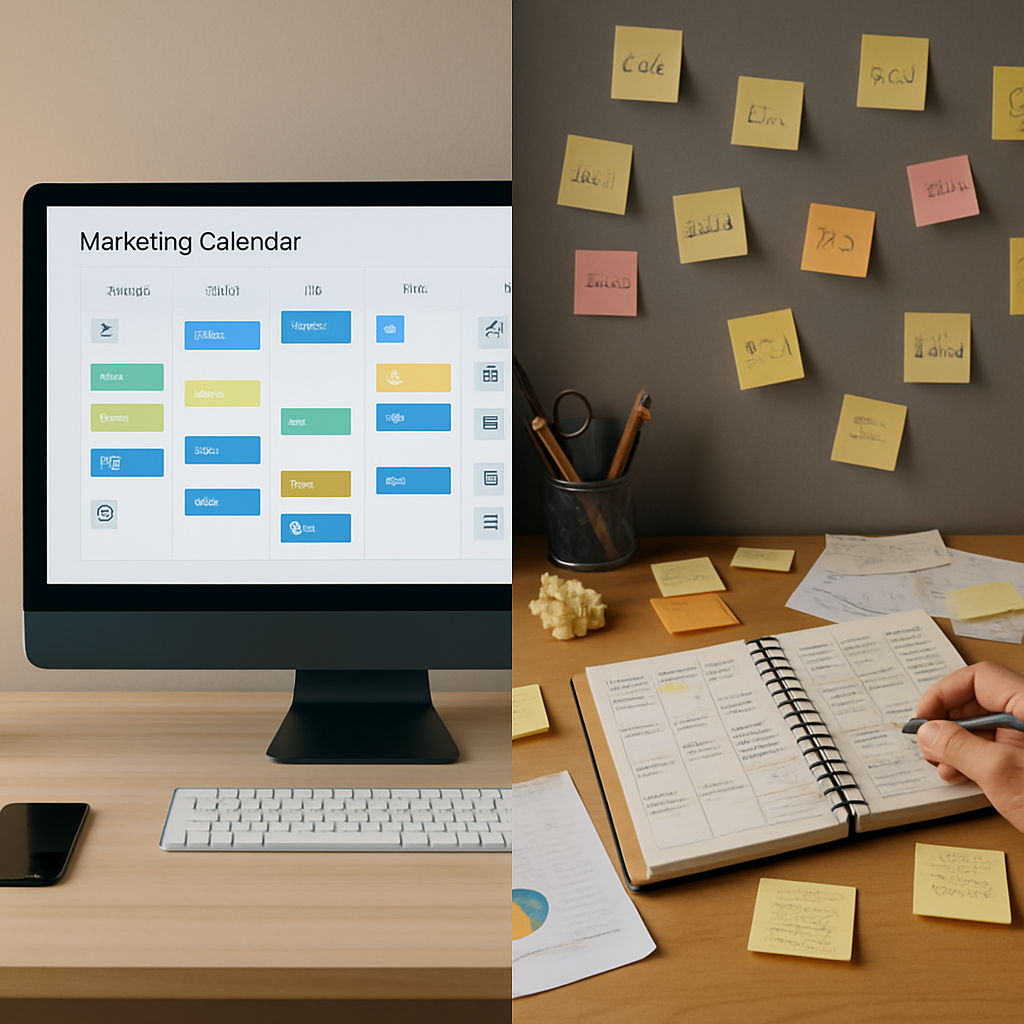
The path forward doesn’t require ripping out your entire marketing stack or hiring specialists. Start with one area that’s currently eating too much of your time or delivering disappointing results:
- Email automation: Platforms like Mailchimp and Constant Contact now include AI features that optimize send times and subject lines based on recipient behavior
- Social scheduling: Tools can analyze when your audience is most engaged and automatically post at those times
- Ad optimization: Google and Facebook both offer automated bidding and audience targeting that learns what works
- Customer chat: Simple AI assistants can handle common questions 24/7, escalating complex issues to you
Pick one. Implement it well. Measure the results. Then add another. According to Forbes Business Council research, businesses that adopt AI incrementally see better long-term results than those trying to transform everything overnight.
The Human Element Still Matters Most
Here’s what doesn’t change: people still want to do business with people. AI tools should amplify your personality and values, not replace them. The goal is to automate the repetitive tasks so you have more time for the interactions that actually matter—the conversations, the custom solutions, the community relationships that big chains can’t replicate.
Think of these tools as giving you superpowers, not replacing your humanity. You’re still making the creative decisions, setting the strategy, and bringing your unique perspective. The technology just helps you execute more effectively and reach more people who need what you offer.
Moving Forward Without Fear
The businesses thriving in 2025 won’t be the ones with the biggest AI budgets. They’ll be the ones who started learning and experimenting today. Every small step you take now builds capability and confidence. The technology will keep evolving, but the fundamentals—understanding your customers better, reaching them more effectively, and making smarter use of limited resources—those advantages are available right now.
If you’re ready to explore how modern marketing tools could help your business stay competitive, we’d love to talk through options that make sense for your situation. No pressure, no jargon—just practical conversation about what might work for you. Reach out whenever you’re ready to take that next step. We’re here to help local businesses navigate these changes without the overwhelm.