

Did you know that seasonal transitions can affect everything from your energy levels to your immune system? As the days grow longer and the weather warms, spring offers the perfect opportunity to reset your wellness routine and embrace spring wellness preparation tips that set you up for success.
Why Spring Wellness Preparation Tips Matter for Your Health
\p>Spring isn’t just about cleaning out closets—it’s an ideal time to evaluate and refresh your personal wellness habits. The shift in daylight, temperature, and activity levels means your body has different needs than it did during the darker winter months. By taking a proactive approach to spring wellness preparation tips, you can address seasonal allergies, boost your energy, and create momentum that carries through the entire year.
Many people notice they feel sluggish or off-balance as seasons change. This isn’t coincidence—your circadian rhythms, vitamin levels, and even your gut health respond to environmental shifts. A thoughtful wellness check now can help you identify what needs attention before small issues become bigger concerns.
Refreshing Your Nutrition with Spring Wellness Preparation Tips
One of the most effective spring wellness preparation tips is to align your eating habits with the season. As fresh produce becomes more abundant, it’s easier to incorporate nutrient-dense foods that support your immune system and energy levels.
Consider these simple nutritional adjustments:
- Add more leafy greens: Spinach, arugula, and spring lettuce are packed with vitamins A, C, and K
- Hydrate intentionally: Warmer weather means increased fluid needs—aim for consistent water intake throughout the day
- Incorporate seasonal herbs: Fresh mint, parsley, and cilantro add flavor and beneficial compounds to meals
- Reduce heavy comfort foods: Gradually shift from winter stews to lighter proteins and grilled vegetables
According to the Centers for Disease Control and Prevention, eating a variety of colorful fruits and vegetables supports overall health and helps your body adapt to changing seasons.
Movement and Activity: Essential Spring Wellness Preparation Tips
Spring invites us outdoors, and adjusting your movement routine is one of the most valuable spring wellness preparation tips you can implement. If you’ve been more sedentary during colder months, now is the time to gradually increase activity without overdoing it.
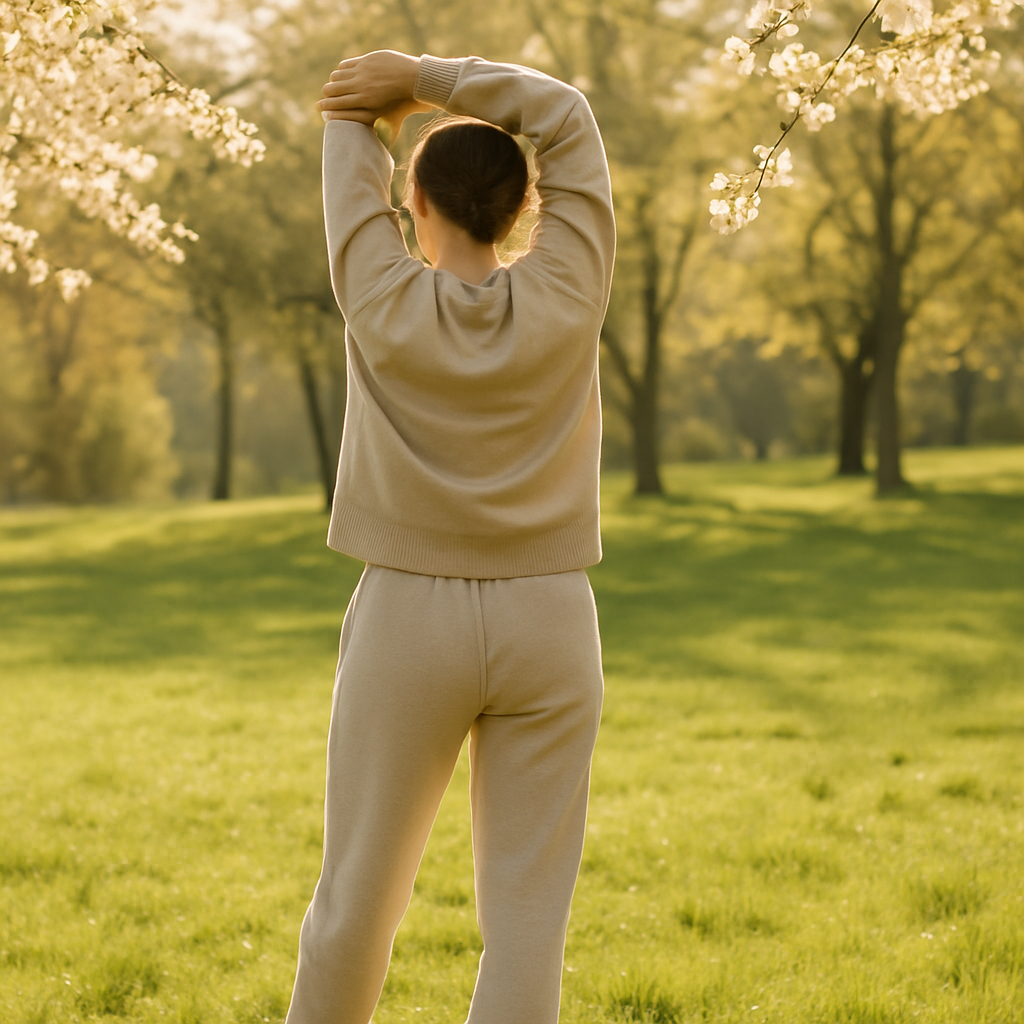
Start with manageable goals: a 15-minute walk after dinner, stretching in the morning sunlight, or trying a new outdoor hobby. The key is consistency rather than intensity. Your body needs time to adapt to increased movement, especially if you’re coming out of a less active winter period.
Outdoor activity also provides natural vitamin D exposure, which many people lack after months of limited sunlight. Just remember to protect your skin appropriately as UV exposure increases with longer days.
Sleep and Rest: The Foundation of Wellness

Quality sleep often gets overlooked in wellness discussions, but it’s fundamental to everything else. Spring’s earlier sunrises can disrupt your sleep schedule, making it important to adjust your evening routine accordingly.
Consider these sleep-supporting strategies:
- Gradually adjust your bedtime to match the changing daylight
- Use blackout curtains if early morning light wakes you too soon
- Limit screen time at least an hour before bed
- Keep your bedroom cool—optimal sleep temperature is typically between 60-67°F
The Sleep Foundation emphasizes that consistent sleep schedules support immune function, mood regulation, and cognitive performance—all essential for making the most of the vibrant spring season.
Addressing Allergies and Environmental Factors
For many people, spring means seasonal allergies. Preparing your home and routine can minimize discomfort and keep you feeling your best. Simple steps like changing air filters, keeping windows closed during high pollen counts, and showering before bed to remove pollen from hair and skin can make a significant difference.
If you’re prone to spring allergies, consider starting preventive measures before symptoms begin. Monitor local pollen forecasts and plan outdoor activities accordingly. A clean, allergen-reduced environment supports better sleep and overall wellness.
Creating Your Personal Spring Wellness Plan
The most effective wellness approach is personalized to your unique needs and lifestyle. Take some time to assess what worked well for you last spring and what you’d like to improve. Maybe you want to spend more time outdoors, establish a consistent exercise routine, or simply feel more energized throughout the day.
Write down two or three specific, achievable goals. Instead of vague intentions like “get healthier,” try concrete objectives: “take a 20-minute walk four times per week” or “prepare home-cooked meals five nights a week.” Small, consistent changes compound over time into meaningful improvements.
As you implement these spring wellness preparation tips, remember that wellness is a journey, not a destination. If you’re looking for personalized guidance or support as you refresh your wellness routine this season, we’d love to help. Stop by the practice or give us a call to learn how we can support your goals and help you make this your healthiest spring yet.