
Ever wonder how some small businesses seem to know exactly what their customers want, exactly when they want it? The secret often lies in understanding what is AI marketing for small businesses and how it can transform the way you connect with your community.
Artificial intelligence isn’t just for tech giants anymore. Local businesses are using smart tools to streamline their marketing, save time, and reach the right people without breaking the bank. Let’s explore what this technology really means for a business like yours.
What Is AI Marketing and How Does It Work?
AI marketing uses machine learning and data analysis to automate and improve marketing tasks. Instead of guessing what your customers might like, AI tools study patterns in behavior, preferences, and timing to make smarter recommendations.
For a small local business, this might mean:
- Email software that learns the best time to send newsletters to your subscribers
- Social media tools that suggest which posts will get the most engagement
- Chatbots that answer common customer questions 24/7
- Ad platforms that automatically adjust your budget toward what’s working
The technology sounds complex, but most AI marketing tools are designed to be user-friendly. You don’t need a computer science degree—just a willingness to let smart software handle repetitive tasks while you focus on running your business.
Common Ways Small Businesses Use What Is AI Marketing Technology
Local businesses are finding practical, affordable ways to put AI to work. Here are some of the most popular applications:
Content creation: AI writing assistants help draft social media posts, email newsletters, and blog ideas faster. They’re not replacing human creativity—they’re helping you get past blank-page syndrome and maintain a consistent online presence.
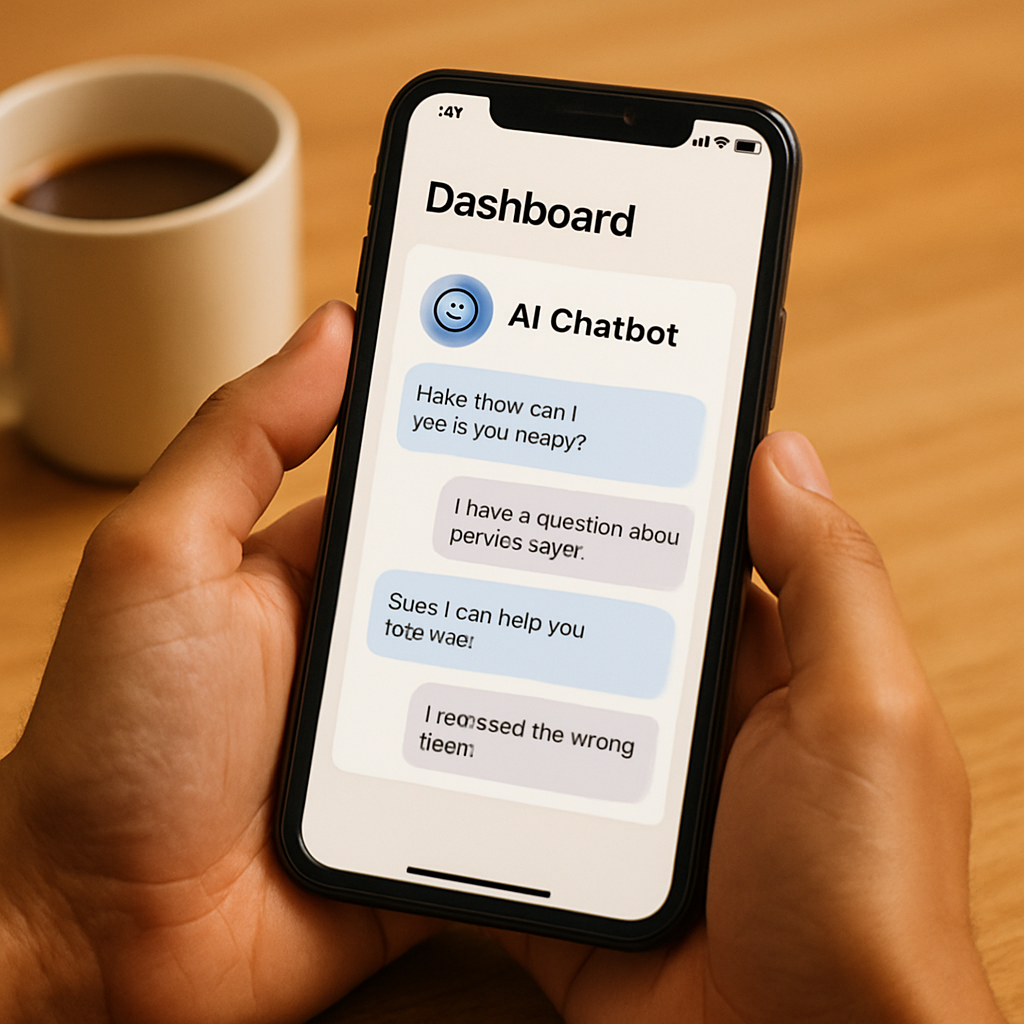
Customer service: Simple chatbots on your website can answer frequently asked questions, take appointment requests, or direct people to the right information, even when you’re closed for the day.
Ad targeting: Platforms like Facebook Ads and Google Ads use AI to show your promotions to people most likely to be interested, stretching every marketing dollar further.
Email personalization: Instead of sending the same generic message to everyone, AI helps segment your list and customize subject lines, product recommendations, and send times based on individual behavior.
Understanding What Is AI Marketing Worth for Your Budget
One of the biggest questions small business owners ask is whether AI marketing tools justify the cost. The honest answer: it depends on your goals and current workload.
Many AI features are already baked into tools you might be using. If you have a website platform, email service, or social scheduler, check the settings—you may already have access to smart recommendations, auto-posting, or analytics insights powered by AI.
Standalone AI tools range from free basic versions to premium subscriptions. The key is starting small. Try one tool that solves your biggest time drain—maybe it’s scheduling posts or answering the same customer questions over and over—and measure whether it’s saving you hours each week.
For most local businesses, the return on investment comes not from flashy features but from reclaiming time. If a tool saves you three hours a week, that’s three hours you can spend with customers, improving your services, or simply taking a breath.
What to Look for in AI Marketing Tools
Not all AI solutions are created equal. When evaluating options, prioritize tools that:
- Integrate with systems you already use
- Offer clear tutorials and support
- Provide transparent pricing with no hidden fees
- Give you control over final decisions (AI suggests, you approve)
- Respect customer privacy and data security
Should Your Small Business Adopt What Is AI Marketing Strategies?

The decision to use AI marketing comes down to three questions: Do you have repetitive marketing tasks eating up your time? Are you struggling to reach the right local customers? Do you want to stay competitive as more businesses adopt these tools?
If you answered yes to any of those, it’s worth exploring. You don’t have to overhaul everything overnight. Many successful small businesses start by automating one or two tasks, learning what works, and gradually expanding.
Remember, AI is a tool—not a replacement for the personal touch that makes local businesses special. The goal is to handle the routine stuff efficiently so you have more energy for the relationships and quality that keep customers coming back.
Getting Started Without Overwhelm
If you’re curious about what is AI marketing and ready to dip your toes in, here’s a simple roadmap:
First, identify your biggest marketing headache. Is it staying active on social media? Following up with leads? Creating content? Pick one pain point.
Second, research tools designed for that specific problem. Read reviews from other small business owners. Many platforms offer free trials—take advantage of those before committing.
Third, set a clear goal. Maybe it’s posting to social media three times a week consistently, or responding to inquiries within an hour. Use the tool for 30 days and honestly assess whether it’s helping.
Fourth, adjust as needed. Not every tool will be the right fit, and that’s okay. The AI marketing landscape is constantly improving, with new solutions designed specifically for small, local businesses.
Technology should make your life easier, not more complicated. If a tool isn’t delivering value, move on and try something else.
Moving Forward with Confidence
Understanding what is AI marketing for small businesses doesn’t require a technology degree—just curiosity and a willingness to try smarter ways of working. The businesses thriving in the local area are the ones that blend personal service with practical tools that save time and reach customers more effectively.
If you’re looking for guidance on how marketing strategies—AI-powered or traditional—can help your business connect with more people in the community, we’d love to chat. Reach out to the practice and let’s explore what makes sense for your unique goals and budget. Sometimes the best next step is just a conversation.