
Ever wonder if artificial intelligence is just for tech giants with massive budgets, or can it actually help your neighborhood business thrive? The current state of AI marketing for small business is more accessible than most owners realize, and understanding where the technology stands today can open doors you didn’t know existed.
Small businesses are finding that AI isn’t about replacing the personal touch that makes them special—it’s about amplifying it. Let’s explore what’s happening right now in AI marketing and how it applies to real-world business owners working to grow their presence in their communities.
The Current State of AI Marketing Business Tools Has Leveled the Playing Field
Just a couple of years ago, sophisticated marketing automation and customer insights were reserved for corporations with dedicated IT departments. Today, the landscape has shifted dramatically. User-friendly AI platforms now offer small businesses capabilities that once cost tens of thousands of dollars.
These tools help with everything from scheduling social media posts to analyzing which types of content your local customers engage with most. Many platforms offer free trials or affordable monthly subscriptions, making them realistic options for businesses operating on tight margins.
What makes this shift significant is that small businesses can now compete on sophistication, not just price or location. Your ability to understand customer preferences, respond quickly to inquiries, and personalize communications has expanded without requiring a computer science degree.
Understanding How AI Marketing Fits the Current State of Small Business Needs

The beauty of today’s AI marketing tools is that they solve real problems small business owners face daily. Time is your most limited resource, and AI excels at handling repetitive tasks that eat up hours each week.
Consider these practical applications:
- Content creation assistance: AI can help draft social media captions, email newsletters, or blog post outlines, which you then personalize with your unique voice and local knowledge
- Customer service automation: Chatbots can answer common questions on your website 24/7, capturing leads even when you’re closed
- Email personalization: Tools can segment your audience and suggest optimal send times based on when individual customers typically engage
- Ad optimization: Platforms automatically test different ad variations and budget allocations to improve your return on investment
- Review monitoring: AI can alert you immediately when new reviews appear online, allowing quick, thoughtful responses
According to Salesforce’s State of Marketing report, businesses using AI for marketing see measurable improvements in customer engagement and efficiency, with tools becoming increasingly intuitive for non-technical users.
The Current State AI Marketing Business Adoption Reveals Common Concerns
Many small business owners hesitate to adopt AI marketing tools because of understandable concerns. Will it sound robotic? Will customers know? Will it replace the authentic connections that make a local business special?
The reality is that AI works best as a behind-the-scenes assistant, not a front-facing replacement for human interaction. Think of it like having a smart filing system—it organizes information and suggests actions, but you make the final decisions and add the personal touches.
Privacy is another valid consideration. Reputable AI marketing platforms comply with regulations and give you control over customer data. The Federal Trade Commission offers guidance on maintaining customer privacy while using marketing technology, and responsible platform providers build these protections into their systems.
Cost concerns also surface frequently, but many tools operate on pay-as-you-grow models. You’re not locked into enterprise contracts—you can start small, test what works, and scale up only when you see results.
Practical Steps for Small Businesses Exploring AI Marketing Today
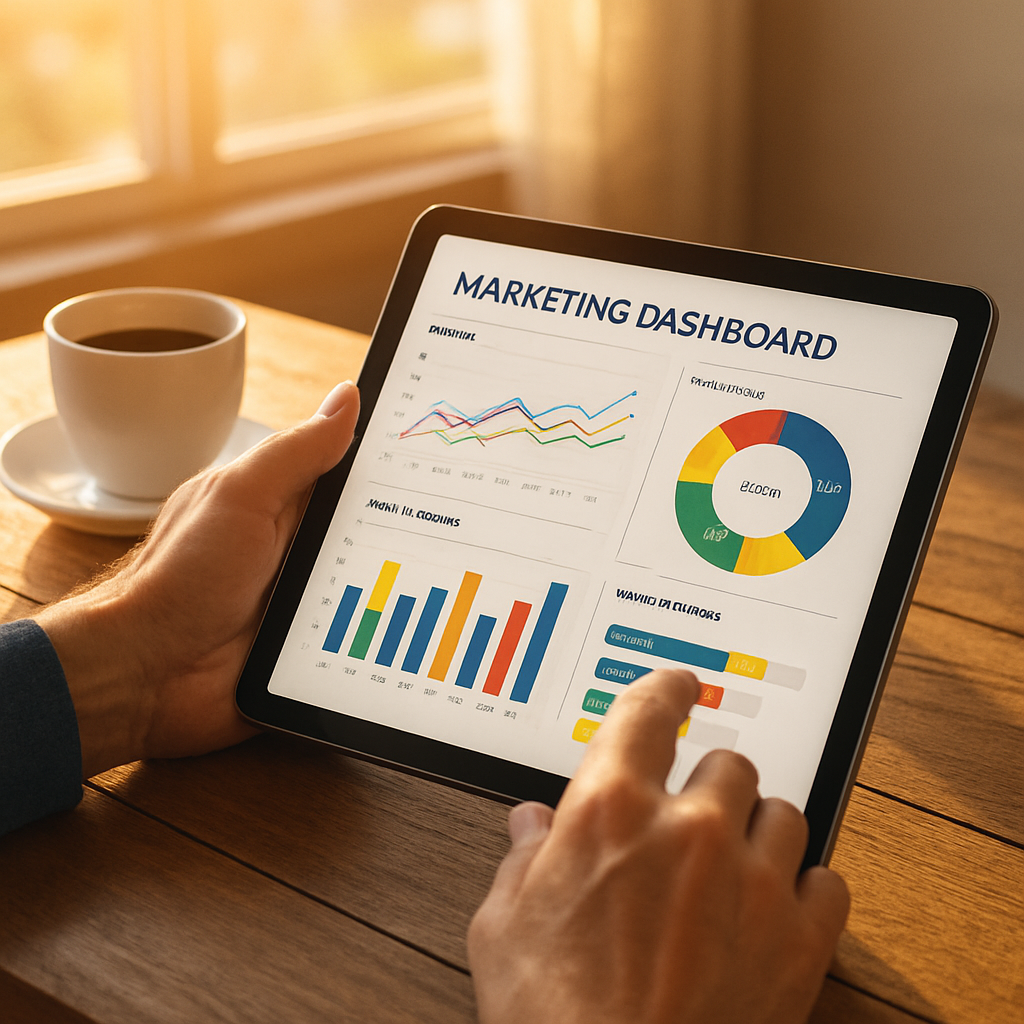
If you’re considering dipping your toes into AI marketing, start with one specific challenge you face. Trying to do everything at once leads to overwhelm and abandoned tools.
Maybe you struggle to keep your social media presence consistent. An AI scheduling tool with content suggestions might be your entry point. Or perhaps email marketing feels like shouting into the void—an AI platform that optimizes send times and subject lines could make a noticeable difference.
Here’s a sensible approach:
- Identify your biggest time drain or marketing frustration
- Research 2-3 tools specifically designed for that challenge
- Take advantage of free trials to test ease of use
- Commit to using one tool consistently for at least 30 days
- Measure a simple metric (time saved, engagement rate, leads generated)
- Adjust or expand based on real results
The Small Business Administration provides resources on marketing fundamentals that can help you evaluate which technologies align with your overall business strategy.
Looking Ahead: Where AI Marketing Is Heading for Local Businesses
The current state of AI marketing for business owners shows rapid evolution, but the trajectory is clear: tools will become even more intuitive, affordable, and focused on small business needs. Voice search optimization, hyper-local targeting, and predictive customer behavior analysis are all becoming mainstream.
What won’t change is the importance of authenticity and community connection. AI amplifies your reach and efficiency, but your knowledge of your customers, your commitment to quality, and your presence in the community remain irreplaceable advantages.
Small businesses that view AI as a tool rather than a threat—as a way to reclaim time for the work only they can do—position themselves to thrive alongside larger competitors while maintaining the personal touch that attracted customers in the first place.
If you’re curious about how modern marketing approaches might help your business connect with more local customers, we’d love to chat about what’s working in the real world. Stop by or reach out—sometimes the best insights come from a simple conversation with neighbors who understand the unique challenges of running a small business in today’s landscape.