
What if you could have a marketing assistant who never sleeps, never forgets a follow-up, and costs less than a single employee? That’s the promise of AI marketing for small business owners who are ready to work smarter, not harder.
For years, artificial intelligence felt like something only Fortune 500 companies could afford. Today, the landscape has shifted dramatically. Small, locally owned businesses are using the same powerful technology to write better emails, understand their customers, and save hours every week—all without hiring a full marketing team or spending a fortune on software.
If you’ve been curious about how AI could help your business grow but worried it’s too expensive or complicated, this guide will show you exactly how other small businesses are making it work on realistic budgets.
What AI Marketing for Small Business Actually Means
AI marketing isn’t about robots taking over your business. It’s about using smart software to handle repetitive tasks so you can focus on what you do best: serving customers and running your business.
Think of AI as a set of tools that can analyze patterns, make predictions, and automate routine work. For a small business, that might mean:
- Writing social media posts or email subject lines faster
- Figuring out which customers are most likely to buy again
- Answering common questions on your website automatically
- Scheduling content at the best times without manual effort
The key difference from traditional marketing software is that AI tools learn and improve over time. They notice what works for your specific audience and adapt accordingly.
Free and Low-Cost AI Marketing Tools Small Businesses Actually Use
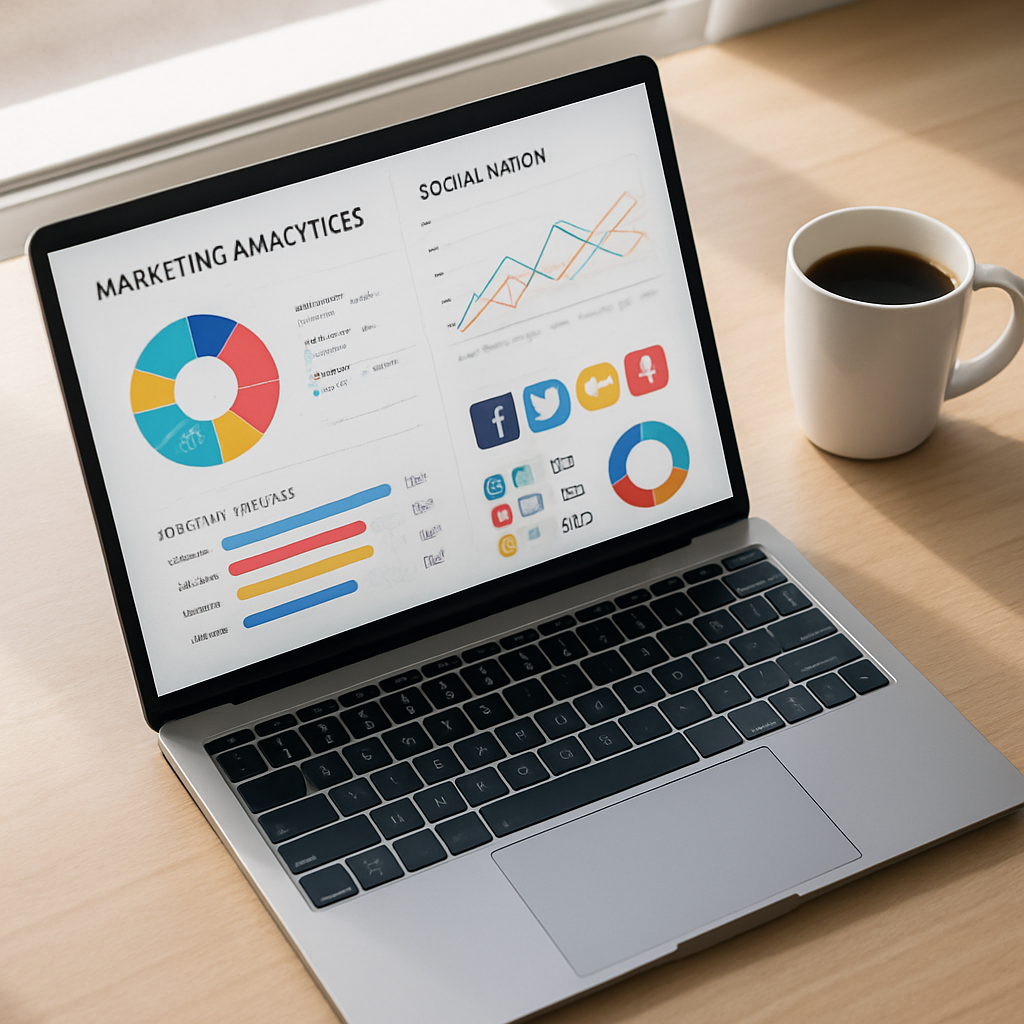
You don’t need enterprise-level budgets to get started. Many of the most useful AI tools offer free tiers or cost less than a typical software subscription.
Email platforms like Mailchimp and Constant Contact now include AI features that suggest the best send times and predict which subject lines will perform well. Social media schedulers such as Buffer and Hootsuite use AI to recommend optimal posting schedules based on when your followers are most active.
For content creation, tools like ChatGPT, Jasper, and Copy.ai can help draft blog posts, product descriptions, or ad copy in minutes instead of hours. While you’ll always want to review and personalize the output, these tools dramatically speed up the first-draft process.
Customer service chatbots have become surprisingly affordable, too. Platforms like Tidio and ManyChat let you set up automated responses to common questions on your website or Facebook page, so potential customers get instant answers even when you’re closed.
According to the U.S. Small Business Administration, effective marketing is about consistency and smart resource allocation—exactly what these AI tools enable for budget-conscious owners.
How to Implement AI Marketing for Small Business Without Overwhelm
The biggest mistake small business owners make with AI is trying to do everything at once. Start with one problem that’s eating up your time or costing you opportunities.
If you spend two hours every week writing social posts, start there. Use an AI writing assistant to create a month’s worth of draft posts in thirty minutes, then personalize them with your voice and local details.
If you’re losing potential customers because you can’t answer questions outside business hours, add a simple chatbot to your website. Program it with answers to your ten most common questions. You can always expand it later.
The best approach is to pick one tool, use it consistently for a month, and measure what changes. Did you save time? Did more people engage with your content? Did you capture leads you would have missed? Then consider adding a second tool.
Building Your AI Marketing Stack Gradually
Think of your AI tools as building blocks. Most successful small businesses follow this progression:
- Start with content creation help (writing assistance for emails, posts, descriptions)
- Add scheduling and automation (posting at optimal times without manual work)
- Incorporate basic customer interaction (chatbots for FAQs, automated responses)
- Explore analytics and prediction (understanding customer patterns, forecasting trends)
Each layer builds on the previous one, and you’ll gain confidence as you go.
Real Results Small Businesses See with AI Marketing
Local businesses that adopt AI marketing tools typically report saving five to ten hours per week on routine marketing tasks. That’s time they can redirect toward customer service, product development, or simply achieving better work-life balance.
Beyond time savings, many see measurable improvements in engagement. When you post consistently at optimal times with messages tailored to your audience’s interests, more people notice and respond.
Email open rates often improve when AI suggests better subject lines or send times based on your specific subscriber behavior. Website visitors are more likely to convert when they get instant answers to their questions through chatbots, even at midnight on Sunday.
The Federal Trade Commission reminds business owners that while AI can enhance marketing efficiency, all marketing claims must remain truthful and substantiated—automation doesn’t change fundamental advertising principles.
Privacy and Trust in AI Marketing for Small Business
One concern small business owners often raise is whether AI marketing tools are safe and respectful of customer privacy. The good news is that reputable platforms take data protection seriously and comply with privacy regulations.
When you choose AI tools, look for those that are transparent about how they use data, offer clear privacy policies, and give you control over customer information. Never use AI to make claims you can’t support or to manipulate customers—smart technology should enhance trust, not erode it.
For a small local business, your reputation is everything. Use AI to be more helpful, more responsive, and more consistent—not to spam people or make exaggerated promises. Your community will notice the difference.
Getting Started This Week
AI marketing for small business isn’t about transformation overnight. It’s about making steady improvements that add up over time. The small business owners who succeed with AI are the ones who start small, stay consistent, and keep their focus on genuinely serving their customers better.
If you’re ready to explore how modern marketing tools could help your business grow without overwhelming your budget or your schedule, we’d love to chat. Stop by, give us a call, or send a message—we’re here to help local businesses thrive in an increasingly digital world.
1 thought on “How Small Businesses Use AI Marketing Without Big Budgets”
Comments are closed.