Ever wish you could peek into the future and know which customers are about to buy, which inventory will fly off the shelves next month, or when to hire your next team member? Predictive analytics for small business owners makes that possible—and you don’t need a data science degree or a Fortune 500 budget to get started.
Understanding Predictive Analytics for Small Business Operations
Predictive analytics uses historical data, statistics, and machine learning to forecast what’s likely to happen next. Think of it as a weather forecast for your business: you look at past patterns—sales trends, customer behavior, seasonal shifts—and use them to make educated guesses about the future.
For small businesses, this might mean analyzing your point-of-sale data to predict which products will be popular next quarter, or reviewing customer purchase history to identify who’s most likely to return. The good news is that modern tools have made predictive analytics accessible to businesses of all sizes, not just corporations with dedicated analytics teams.
How Predictive Analytics Small Business Tools Actually Work
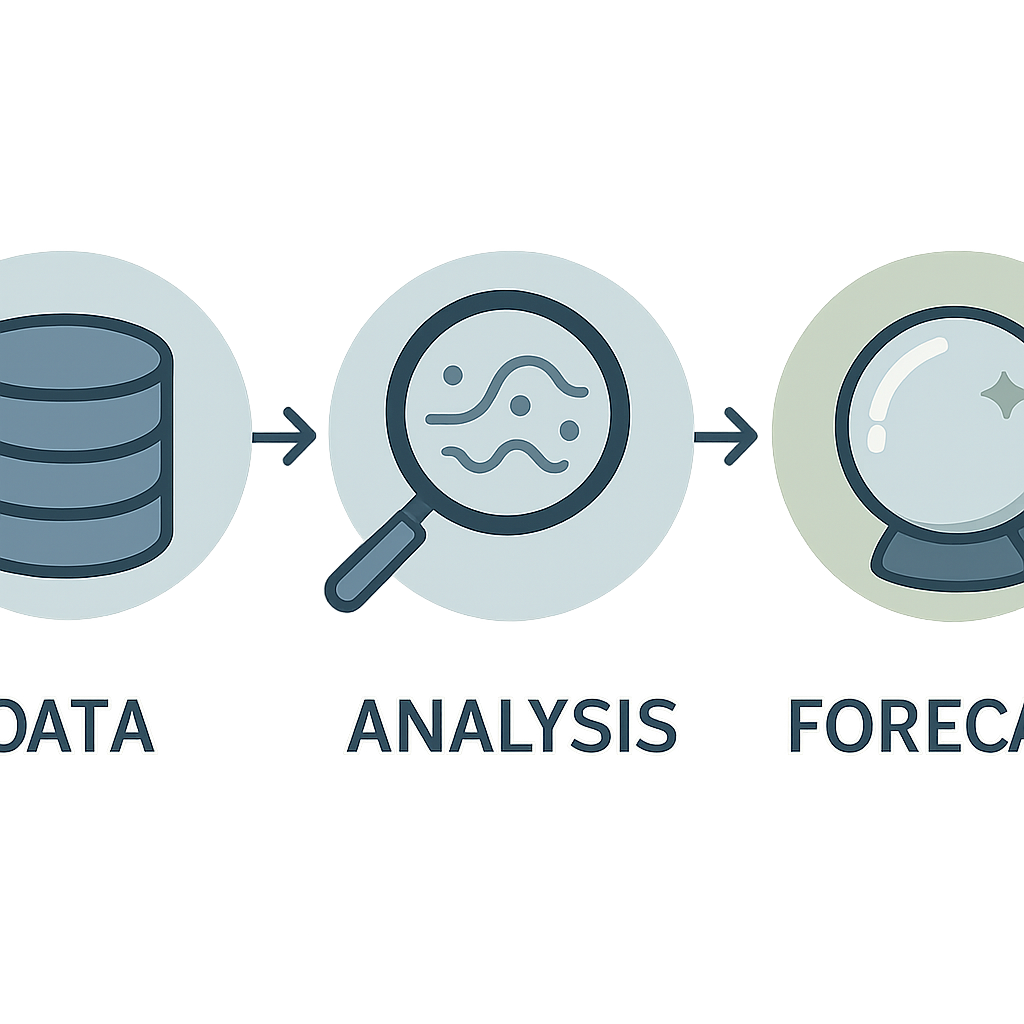
Most small business predictive analytics platforms work in three stages:
- Data collection: The system gathers information you’re already creating—transaction records, website visits, email opens, inventory logs, and customer interactions.
- Pattern recognition: Algorithms scan that data looking for correlations and trends. Maybe customers who buy Product A usually return within 30 days to purchase Product B, or sales spike every third Thursday.
- Forecasting: The software applies those patterns to current data and generates predictions—who’s likely to churn, what inventory you’ll need, or which marketing campaign will perform best.
Many platforms designed for small businesses automate these steps, presenting insights in plain English dashboards rather than complex statistical reports. You don’t need to understand the math behind a regression model to benefit from what it reveals.
Practical Ways Small Businesses Use Predictive Analytics
Real-world applications make this concept concrete. A neighborhood cafe might use predictive analytics to forecast daily foot traffic and schedule staff accordingly, cutting labor costs on slow days and avoiding understaffing during rushes. A boutique could analyze past buying patterns to stock the right mix of sizes and styles for the upcoming season, reducing markdowns on unsold inventory.
Service businesses benefit too. Subscription-based companies can identify customers showing signs of canceling—perhaps they’ve stopped opening emails or haven’t logged in recently—and proactively reach out with special offers or check-ins. Contractors can predict which past clients are statistically due for repeat service based on typical maintenance cycles.
Even marketing gets smarter. Instead of blasting the same message to your entire email list, predictive tools can segment audiences by purchase likelihood, letting you tailor offers to people most ready to buy while nurturing those who need more time.
Choosing Predictive Analytics Small Business Software That Fits Your Budget

The barrier to entry has dropped dramatically. Many customer relationship management systems, email platforms, and accounting tools now include basic predictive features at no extra cost. The U.S. Small Business Administration recommends starting with the software you already use and exploring its analytics capabilities before buying specialized tools.
Dedicated small business predictive analytics platforms typically range from free tiers with limited features to monthly subscriptions under a few hundred dollars. Look for solutions that integrate with your existing systems—your point-of-sale, e-commerce platform, or bookkeeping software—so data flows automatically without manual exports and imports.
When evaluating options, prioritize ease of use over feature lists. A tool packed with advanced capabilities won’t help if you can’t interpret the results or if setup requires a consultant. Many vendors offer free trials; test the interface and see if the insights feel actionable, not overwhelming.
Getting Started Without Overwhelming Your Team
Begin with one specific question you want to answer. Don’t try to predict everything at once. Maybe you want to know which customers are most likely to make a repeat purchase in the next 60 days, or which service offering generates the best long-term client relationships.
Start collecting clean data now, even if you’re not ready to analyze it yet. Consistent record-keeping—accurate customer contact info, detailed transaction logs, notes on service calls—becomes the foundation for any predictive work later. The Federal Trade Commission offers guidance on handling customer data responsibly as you build these systems.
Consider beginning with descriptive analytics first: simply understanding what happened in the past. Once you’re comfortable reading sales reports and customer behavior summaries, predictive insights will feel like a natural next step rather than a confusing leap.
Why Small Businesses Gain an Edge With Predictive Insights
Larger competitors may have bigger budgets, but small businesses have agility. When predictive analytics reveals an emerging trend or shifting customer preference, a small operation can pivot quickly—adjusting inventory, launching a promotion, or refining services—while bigger companies are still scheduling committee meetings.
You also have closer customer relationships. Predictions become more accurate when you can combine data insights with personal knowledge of your clientele. If the analytics suggest a customer might churn, you probably remember their last visit and can reach out with a genuinely personal touch, not a generic automated email.
The future of your business doesn’t have to be a guessing game. Predictive analytics helps you make smarter bets with the resources you have, turning everyday business data into a strategic advantage.
If you’re curious about how data-driven decisions could strengthen your operations here in the local area, we’d love to chat about what’s working for businesses like yours. Stop by the practice or reach out—we’re always happy to share what we’ve learned and hear about your goals.